
Where Is Nepal?
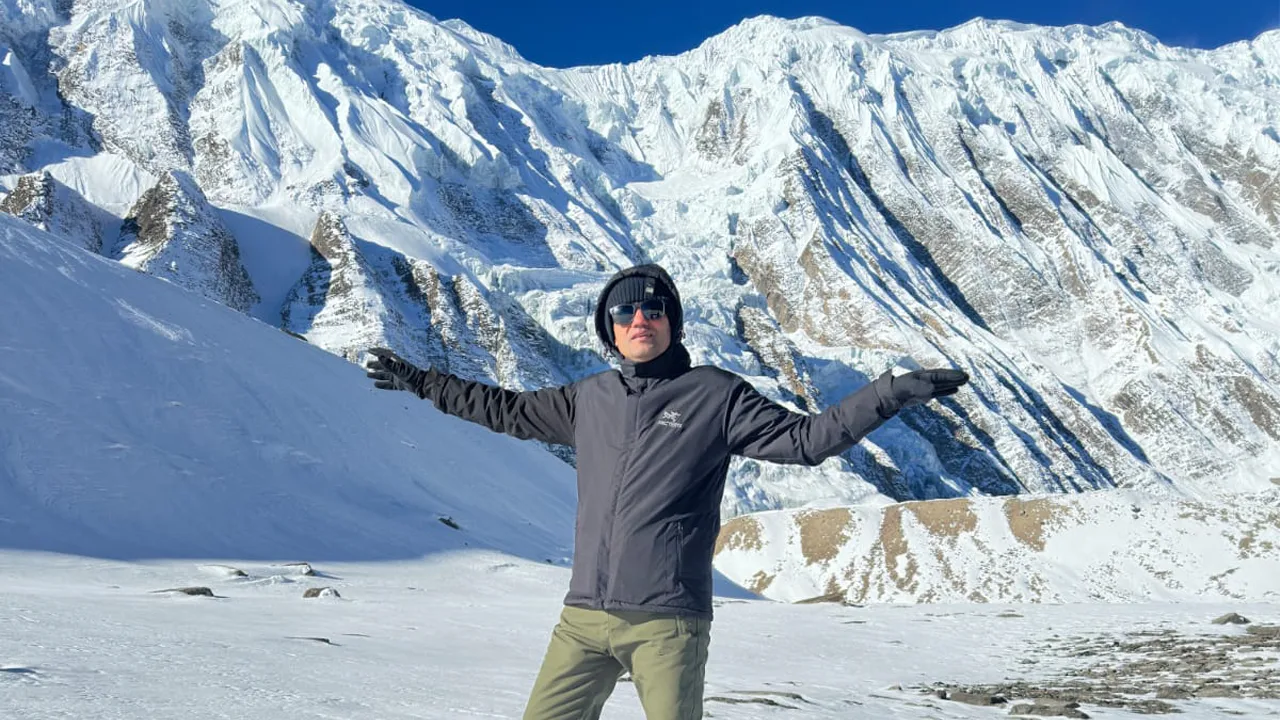
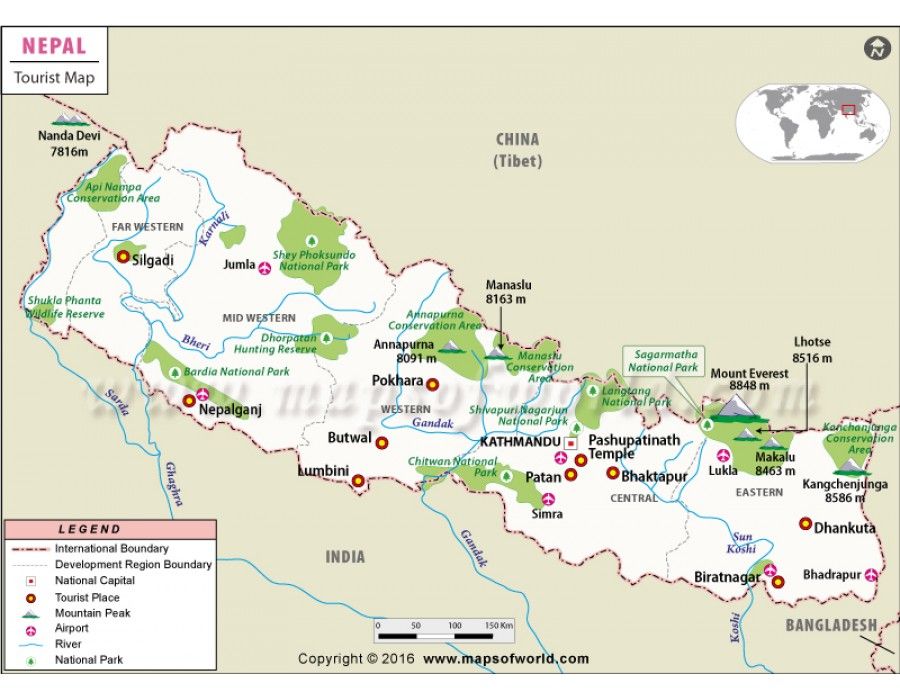
Nepal is located in the Asia continent. It lies in South Asia. Nepal is officially known as Federal Democratic Republic of Nepal. Nepal is a landlocked country. Nepal is a Himalayan nation . It lies between India and China. Though geographically small, Nepal is one of the most extraordinary countries in the world because of its mountains, hills, jungles, water resources, culture, biodiversity, spirituality, and adventure tourism. Nepal is the birth place of Gautam Buddha. Lumbini is one of the world’s most important Buddhist pilgrimage sites. From the peaks of Mount Everest to the peaceful birthplace of Gautama Buddha in Lumbini, Nepal truly offers a once-in-a-lifetime experience for travelers from around the world. Nepal is also known as the land of highest mountain of the world, called Mount Everest. Nepal is geographically diverse and globally famous for its spectacular landscapes, despite its relatively small size.
Nepal’s Geographic Coordinates
Nepal is located between:
Latitude: 26°N to 31°N
Longitude: 80°E to 89°E
The country stretches about:
885 km east to west
145–241 km north to south
Its total area is 147,516 square kilometers.
Nepal is near from Thailand, India, China .
Nepal on the World Map
Nepal is positioned between the plains of northern India and the Tibetan Plateau. Although small compared to its neighbors, Nepal is globally recognized because it contains:
- The world’s highest mountain, Mount Everest
- Eight of the world’s fourteen peaks above 8,000 meters
- Ancient Hindu and Buddhist heritage sites
- Some of the world’s best trekking routes
- Nepal’s strategic location in the Himalayas gives it incredible natural beauty and ecological diversity.
Capital City of Nepal
The capital city of Nepal is Kathmandu.
Kathmandu is:
- The political and cultural center of Nepal
- Home to ancient temples and UNESCO World Heritage Sites
- The main gateway for international travelers
- A vibrant mix of modern life and traditional heritage
The famous Pashupatinath Temple, Boudhanath Stupa, and Swayambhunath are all located in Kathmandu Valley.
Nepal’s Geography and Landscape
One of the most fascinating aspects of Nepal is its incredible geographical variation. Within a short distance, the landscape changes dramatically from tropical jungles to snow-covered Himalayan peaks. Similarly , climate variation is also incredible here in Nepal.
Nepal is generally divided into three geographical regions:
1. Himalayan Region
The northern region contains the towering Himalayas, including:
Mount Everest
Annapurna
Kanchenjunga
Manaslu
This region is famous for:
- Trekking
- Mountaineering
- Sherpa culture / Gurung Culture
- Glaciers and alpine scenery
2. Hilly Region
The middle hills include valleys, terraced farms, forests, and historic towns. Popular destinations include:
- Pokhara
- Bandipur
- Nagarkot
- Mustang
This region offers:
- Beautiful mountain views
- Cultural experiences
- Moderate climate
- Hiking and village tourism
3. Terai Region
The southern plains bordering India are known as the Terai. This area is warmer and fertile, supporting agriculture and wildlife.
Major attractions include:
- Chitwan National Park
- Bardia National Park
The Terai is famous for:
- Jungle safaris
- Bengal tigers
- One-horned rhinoceroses
- Indigenous Tharu culture
Why Is Nepal Famous?
Nepal is world-famous for many reasons beyond Mount Everest.
1. Home of Mount Everest
Mount Everest stands at 8,848.86 meters and is the highest mountain on Earth. Thousands of trekkers and climbers visit Nepal every year to experience the Everest region.
2. Trekking Paradise
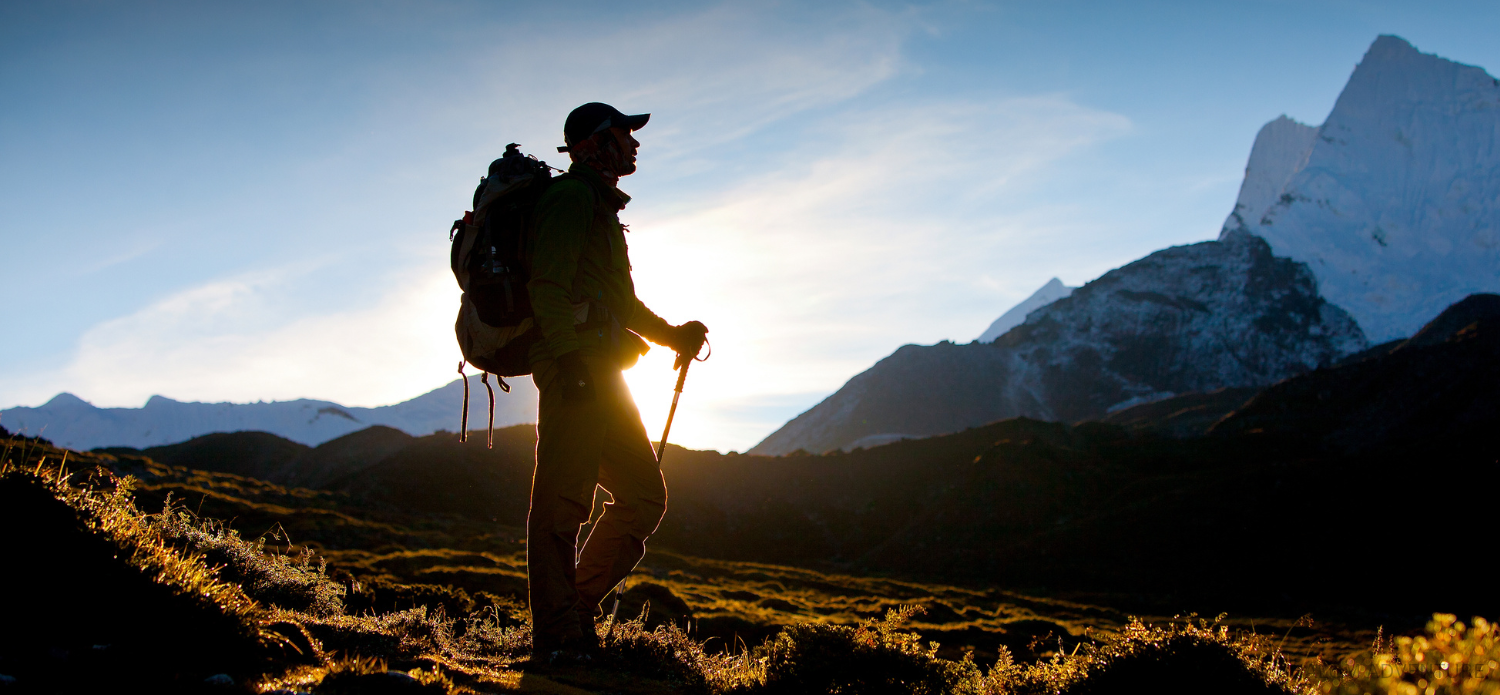
Nepal offers some of the world’s best trekking adventures, including:
Everest Base Camp Trek
Annapurna Circuit Trek
Langtang Valley Trek
Manaslu Circuit Trek
Trekkers enjoy:
- Snow-capped mountains
- Traditional villages
- Buddhist monasteries
- Diverse landscapes
3. Rich Cultural Heritage
Nepal is the birthplace of Gautama Buddha, who was born in Lumbini.It is very famous for Hindu religion. Many of the people follow hinduism .
The country blends:
- Hindu traditions
- Buddhist philosophy
- Ancient art and architecture
- Festivals and rituals
4. Adventure Tourism
Nepal is also famous for:
- Rafting
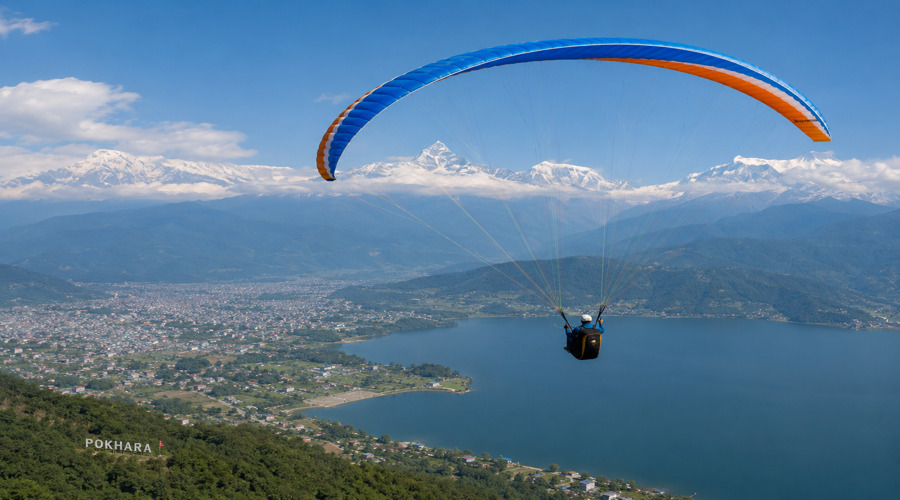
- Paragliding
- Jungle safaris
- Mountain biking
- Peak climbing
- Bungee jumping
Pokhara is especially popular for adventure sports.
Climate in Nepal
Nepal’s climate varies depending on altitude.
Spring (March–May)
- Warm weather
- Rhododendron blooms
- Excellent trekking season
Summer/Monsoon (June–August)
- Heavy rainfall
- Lush green landscapes
Autumn (September–November)
- Clear skies
- Best trekking weather
Winter (December–February)
- Cold in mountain regions
- Mild in cities and plains
Population, Languages and Religions
Nepal has a population of around 30 million people.
Official Language
- Nepali
Other Common Languages
- Maithili
- Bhojpuri
- Tamang
- Newari
- Tharu
- English (widely used in tourism)
Nepal is home to over 100 ethnic groups and cultures.
Nepal is a secular country. However most of people of Nepal follow Hindu religion . other religion :
- Hindu 80 percent of total population
- Buddhist
- Islam
- Kirat
- Christian
Currency of Nepal
The official currency is the Nepalese Rupee (NPR).
Nepal is considered one of the most affordable travel destinations in the world. Travelers can enjoy:
- Budget-friendly accommodation
- Affordable food
- Low transportation costs
- Economical trekking packages
Is Nepal Safe for Travelers?
Yes, Nepal is generally considered a safe and welcoming country for tourists. Nepalese people are famous for their hospitality and friendliness.
Tourists visit Nepal for:
- Solo travel
- Family holidays
- Adventure travel
- Spiritual journeys
- Cultural exploration
- Yoga tourism
As with any destination, travelers should use normal precautions and follow local guidance during trekking and outdoor activities.
Best Time to Visit Nepal
The best time to visit Nepal depends on your travel goals.
Best for Trekking
- October–November
- March–April
Best for Wildlife
- October–March
Best for Cultural Tours
- Year-round
Interesting Facts About Nepal
- Nepal never became colonized by foreign powers. So it doesn't celebrate Independence day.
- The Nepali flag is the world’s only non-rectangular national flag.
- Nepal has more than 120 ethnic group and the languages.
- The country contains climates ranging from tropical to arctic.
- Lumbini is one of the world’s most important Buddhist pilgrimage sites. Pashupatinath is one of the famous pilgrimage place for Hindu.
Why Visit Nepal?
Nepal is much more than just mountains. It is a destination filled with:
- Natural beauty
- Spiritual heritage
- Adventure opportunities
- Warm hospitality
- Affordable travel experiences
Whether you dream of trekking beneath the Himalayas, exploring ancient temples, experiencing local culture, or enjoying peaceful landscapes, Nepal offers unforgettable experiences for every traveler.
0 Comment
.png)

5 Best Trekking Destinations in Nepal (Complete Guide 2026)
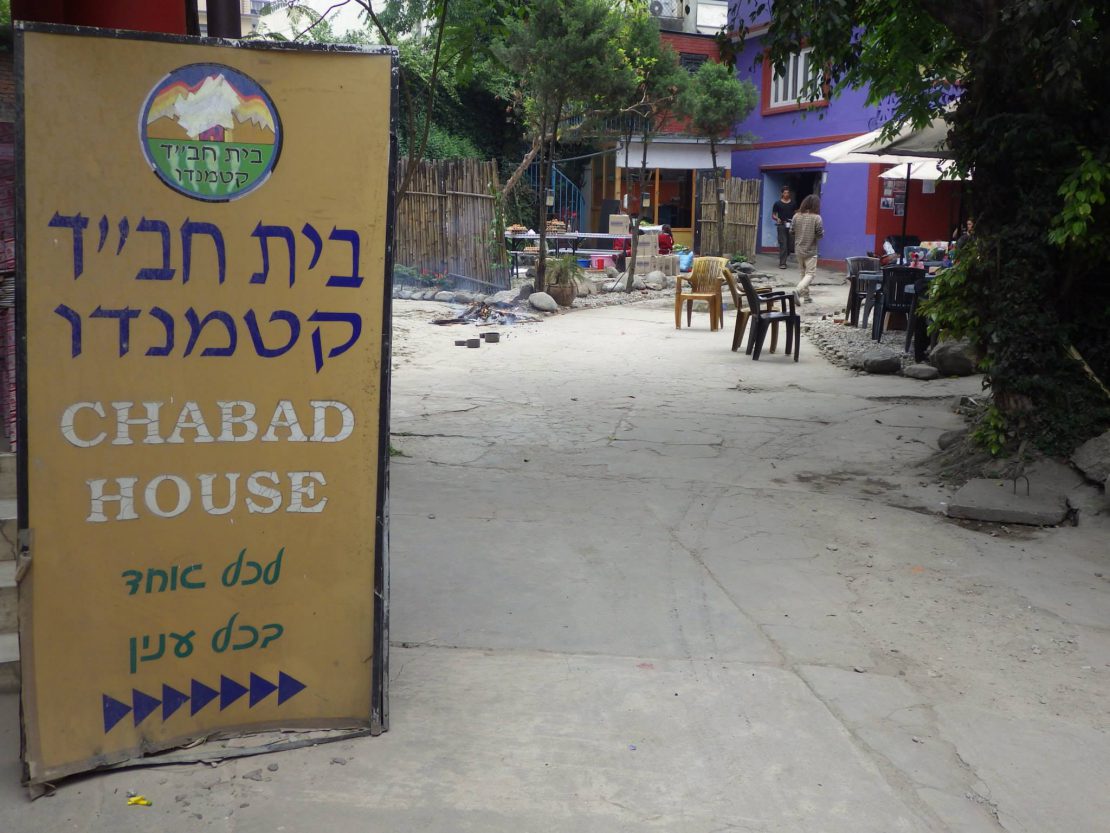
Mar 27, 2026 • BlogDiscover Nepal: A Meaningful Journey for Israeli & Jewish Travelers
May 01, 2026 • Blog
Langtang Valley Trek: Nepal’s Hidden Himalayan Gem
May 01, 2026 • Blog
Nepal: The Ultimate Destination for Adventure, Nature, and Affordable Travel
May 07, 2026 • Blog
Where is Nepal?
May 08, 2026 • Blog
Best Time to Trek in Nepal – Season-by-Season Guide
May 19, 2026 • Blog
Holiday Adventure in Nepal: The Ultimate Journey Through the Himalayas
May 12, 2026 • Blog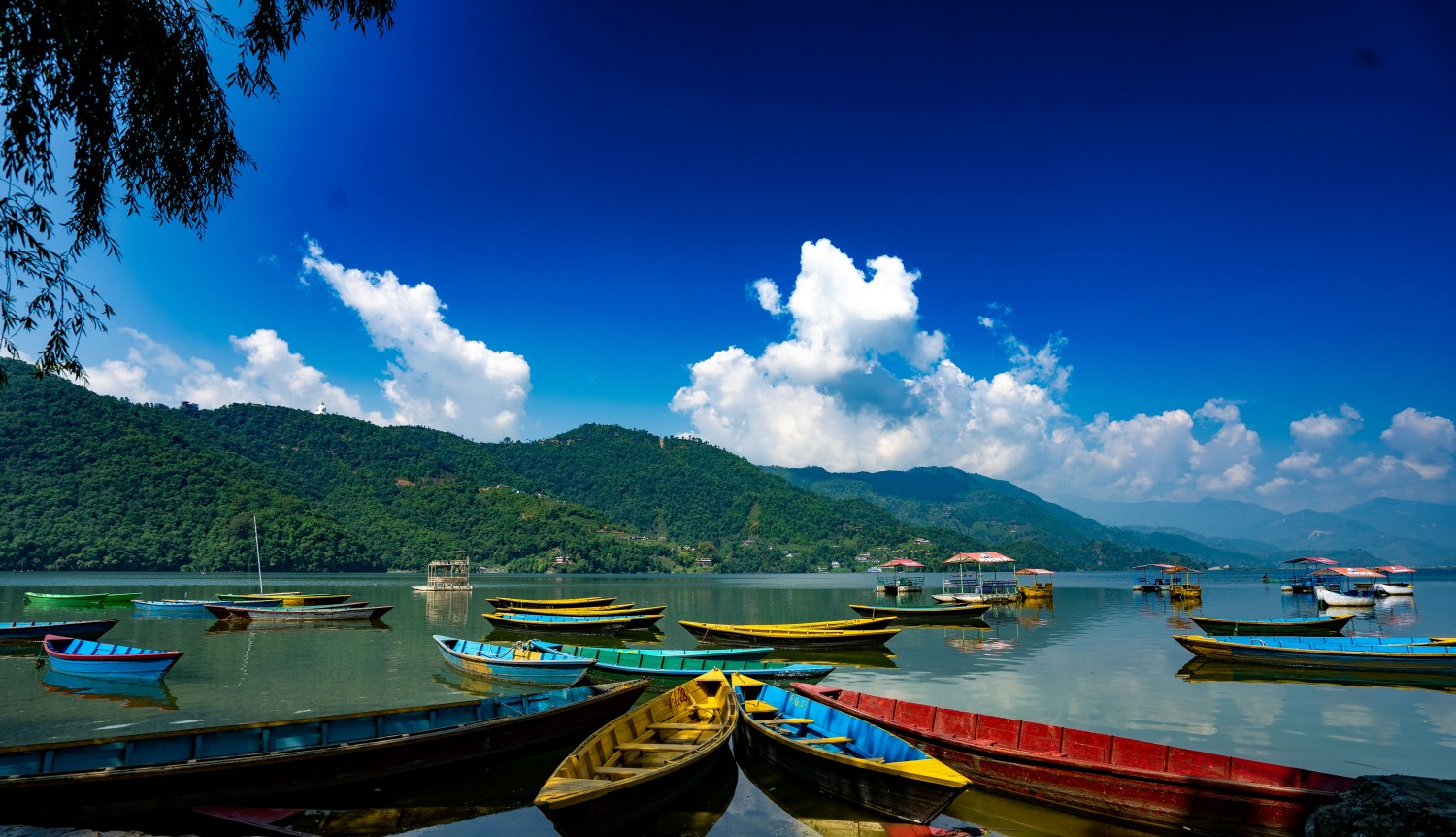

Best Nepal Trekking Guide: Top Routes & Tips
May 20, 2026 • Blog
Paragliding in Pokhara 2026 – Everything You Need to Know Before You Fly
May 20, 2026 • Blog
Top 5 Reasons to Visit Nepal
Jun 14, 2026 • Blog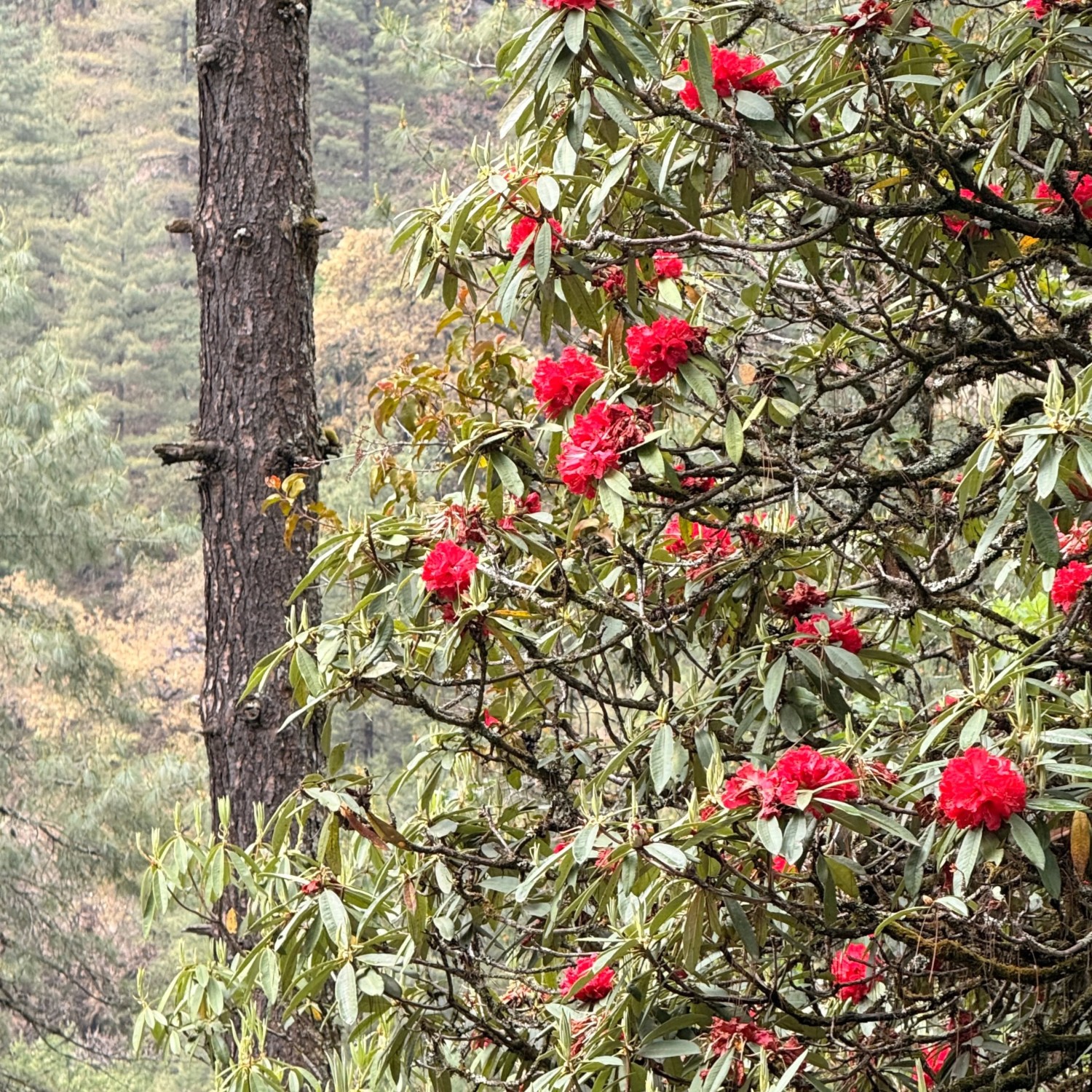
Top 10 Treks in Nepal: A Complete Guide for Adventure Lovers
Jun 22, 2026 • Blog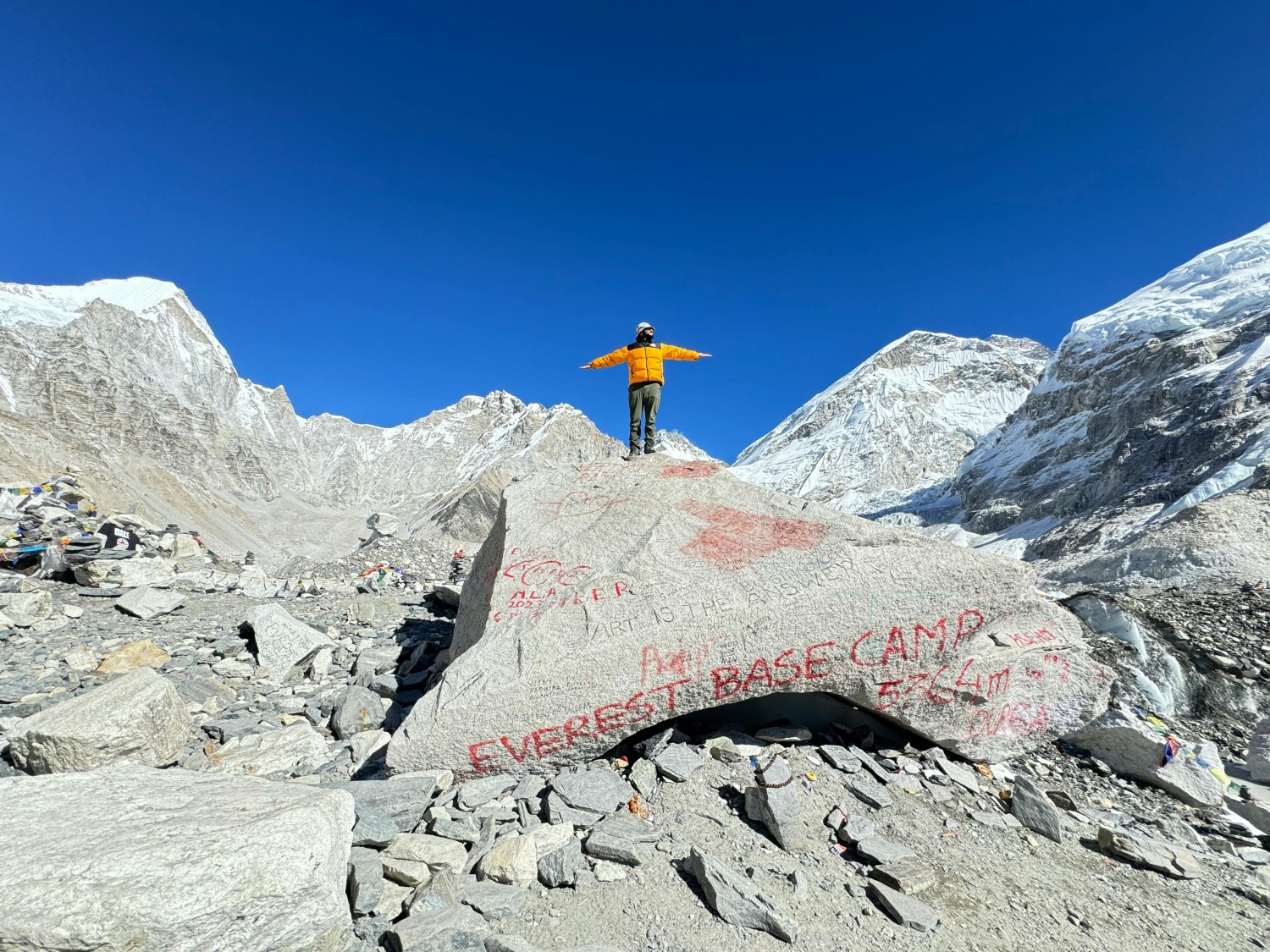
Everest Base Camp Packing List: The Complete Guide for Every Season
Jul 08, 2026 • Blog
Leave a Comment