Annapurna Region
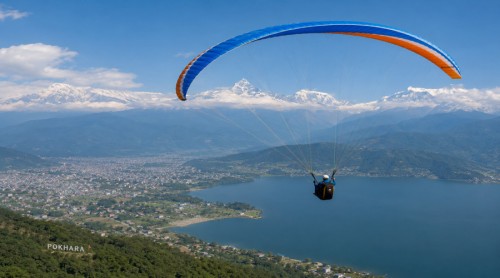
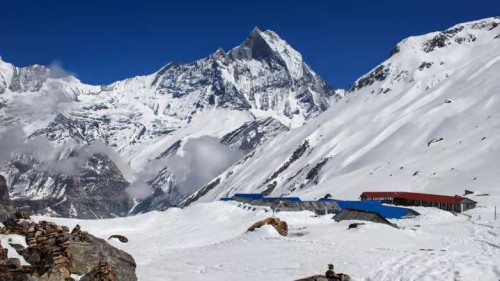
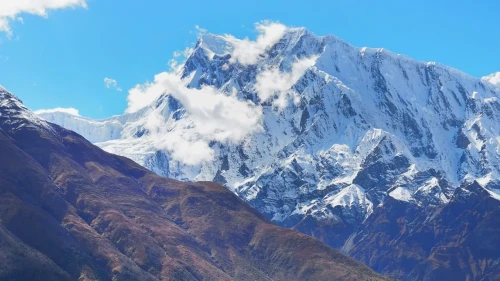
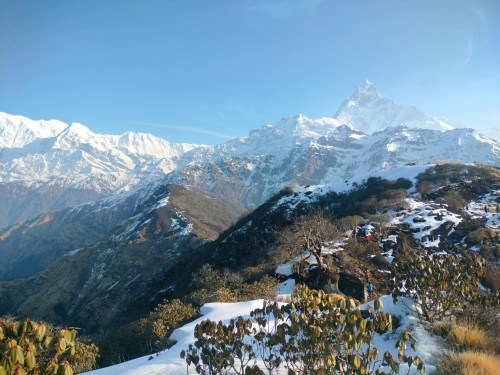
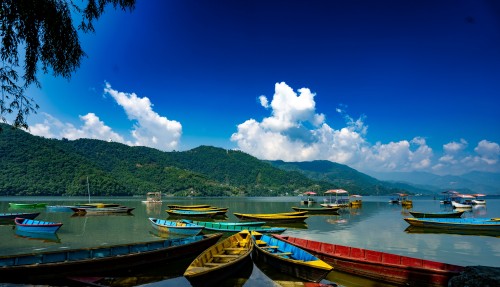
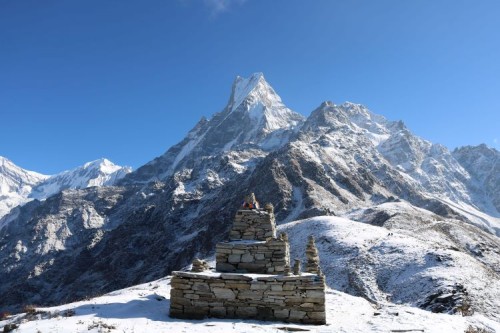
The Annapurna Region is one of Nepal’s most diverse and accessible trekking areas, offering dramatic mountain scenery, rich cultural experiences, varied landscapes, and routes suitable for both beginners and experienced trekkers. Located in north-central Nepal around the city of Pokhara, this region lies within the protected area of Annapurna Conservation Area, the largest conservation area in Nepal. The region is dominated by the Annapurna massif, including Annapurna I (8,091m), along with iconic peaks such as Machapuchare, Annapurna South, and Hiunchuli.
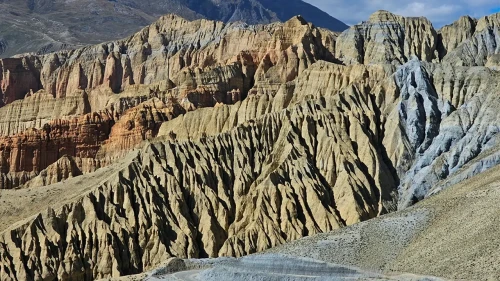
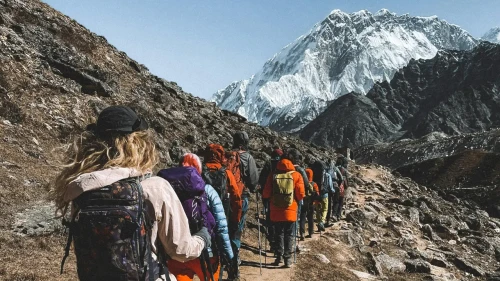
What makes the Annapurna Region truly special is its incredible geographical variation within a short distance. Trekkers walk through subtropical forests, terraced rice fields, waterfalls, river gorges, alpine meadows, and high mountain deserts — all in one region. Unlike other trekking areas that focus mainly on high altitude, Annapurna offers a balance of culture, nature, and mountain grandeur. Whether you are heading to Annapurna Base Camp, crossing Thorong La Pass, or enjoying sunrise from Poon Hill, this region delivers a complete Himalayan experience.
History of the Annapurna Region
The Annapurna Region has been inhabited for centuries by diverse ethnic communities including Gurung, Magar, and Thakali people. These communities have preserved their unique traditions, languages, architecture, and agricultural lifestyles.
The region gained international attention in 1950 when French mountaineer Maurice Herzog and his team successfully climbed Annapurna I, marking the first ascent of an 8,000-meter peak in history. This achievement placed the Annapurna range firmly on the global mountaineering map.
In 1986, the Annapurna Conservation Area Project (ACAP) was established to protect the region’s biodiversity and promote sustainable tourism. Today, the Annapurna Region is a model for eco-tourism in Nepal, balancing trekking development with environmental preservation and community benefits.
Geography and Landscape of the Annapurna Region
The Annapurna Region stretches across central Nepal and includes:
-
Deep river valleys like the Kali Gandaki Gorge (one of the world’s deepest)
-
High mountain passes such as Thorong La (5,416m)
-
Alpine forests and rhododendron hills
-
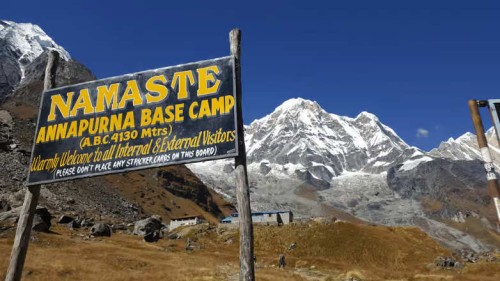
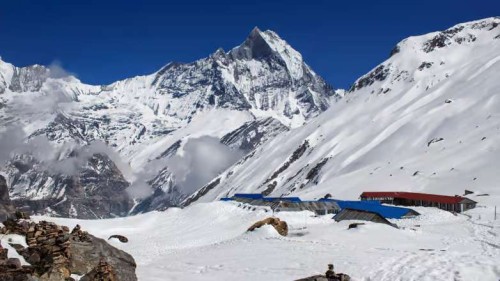
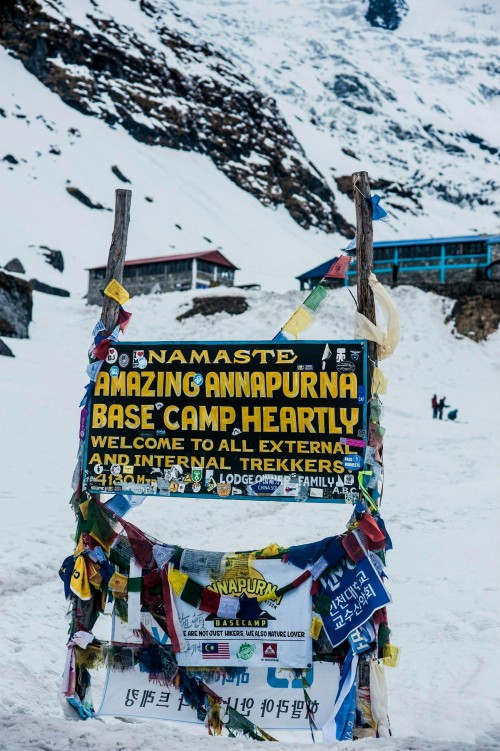
Glacial basins like Annapurna Base Camp (4,130m)
-
Scenic viewpoints like Poon Hill (3,210m)
The region ranges from below 1,000 meters to over 8,000 meters in elevation. This altitude diversity creates varied climate zones, making it one of the richest trekking regions in terms of natural variety.
Culture and Lifestyle in the Annapurna Region
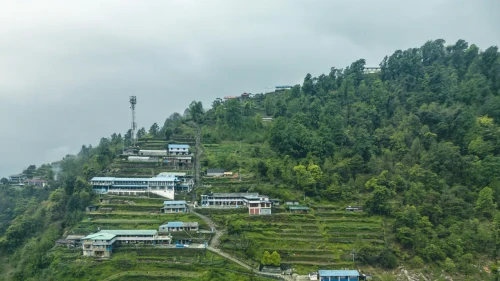
One of the strongest features of the Annapurna Region is its cultural diversity. The Gurung villages like Ghandruk and Landruk offer insight into traditional mountain life. Stone houses, prayer flags, terraced farms, and warm hospitality define the experience.
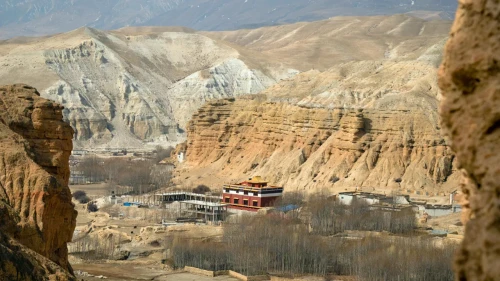
In the Mustang area of the Annapurna Circuit, the culture becomes more Tibetan-influenced, especially near Muktinath. The region blends Hindu and Buddhist traditions, and temples and monasteries coexist peacefully.
Local food includes Dal Bhat (rice and lentils), buckwheat bread, apple products in Mustang, and organic vegetables grown in mountain farms.
Popular Trekking Packages in the Annapurna Region
The Annapurna Region offers trekking routes for every type of traveler:
1. Annapurna Base Camp Trek (7–13 Days)
A classic trek leading into the Annapurna Sanctuary surrounded by high peaks. Suitable for moderate trekkers.
2. Annapurna Circuit Trek (12–18 Days)
One of the world’s most famous long-distance treks. It circles the Annapurna massif and crosses Thorong La Pass.
3. Ghorepani Poon Hill Trek (4–7 Days)
A short and easy trek famous for sunrise views over Annapurna and Dhaulagiri ranges.
4. Mardi Himal Trek (5–7 Days)
A quieter trail offering close views of Machapuchare and Annapurna South.
5. Tilicho Lake Trek
Includes a visit to one of the world’s highest lakes, Tilicho Lake (4,919m).
Why the Annapurna Region is the Best Trekking Region in Nepal
Many travelers consider Annapurna the best region in Nepal for several reasons:
1. Trekking for All Levels
From short beginner-friendly routes to challenging high passes, Annapurna has something for everyone.
2. Easy Accessibility
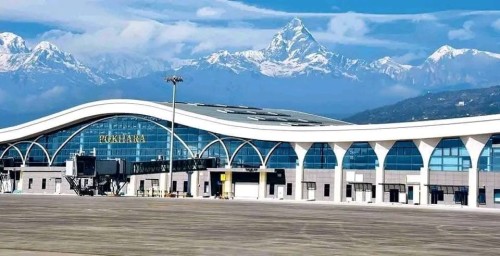
Most treks start from Pokhara, which is reachable by road or a short flight from Kathmandu.
3. Cultural Richness
The diversity of Gurung, Magar, and Thakali communities adds depth to the trekking experience.
4. Varied Landscapes
You experience forests, rivers, waterfalls, high mountains, and desert-like terrain in one journey.
5. Comfortable Teahouse Network
The Annapurna Region has well-developed lodges and facilities, making trekking convenient.
Climate and Best Time to Visit
Best seasons:
-
Spring (March–May) – Clear skies, blooming rhododendrons
-
Autumn (September–November) – Stable weather and excellent mountain visibility
Winter is colder but peaceful. Monsoon season brings rain but enhances greenery in lower areas.
Permits Required for Annapurna Region
Trekkers need:
-
Annapurna Conservation Area Permit (ACAP)
-
TIMS Card (Trekkers’ Information Management System)
These permits support conservation and local development projects.
Accommodation and Food
Teahouses in the Annapurna Region are comfortable and well-managed. Most provide:
-
Twin-sharing rooms
-
Attached bathrooms in lower elevations
-
Dining halls with heating
-
Wide food menu including Nepali, Indian, and continental dishes
Compared to more remote regions, Annapurna offers slightly better infrastructure and easier logistics.
Altitude and Safety
Most Annapurna treks stay below extreme altitude except the Circuit crossing Thorong La Pass. Proper acclimatization is important for high-pass routes. The region has good access to medical posts and evacuation services if needed.
Shalom Adventure Holidays – Our Specialty in the Annapurna Region
At Shalom Adventure Holidays, we focus on creating meaningful Annapurna journeys by:
-
Designing balanced itineraries with proper acclimatization
-
Offering experienced local guides familiar with Gurung and Thakali culture
-
Providing flexible trekking options (short, moderate, long)
-
Maintaining small group sizes for personalized care
-
Ensuring transparent pricing and safety standards
We understand that Annapurna is not just about mountains — it is about connecting with people, landscapes, and traditions. Our team ensures that every traveler experiences the depth and beauty of the region responsibly and comfortably.