Langtang Gosainkunda Trek

Overview
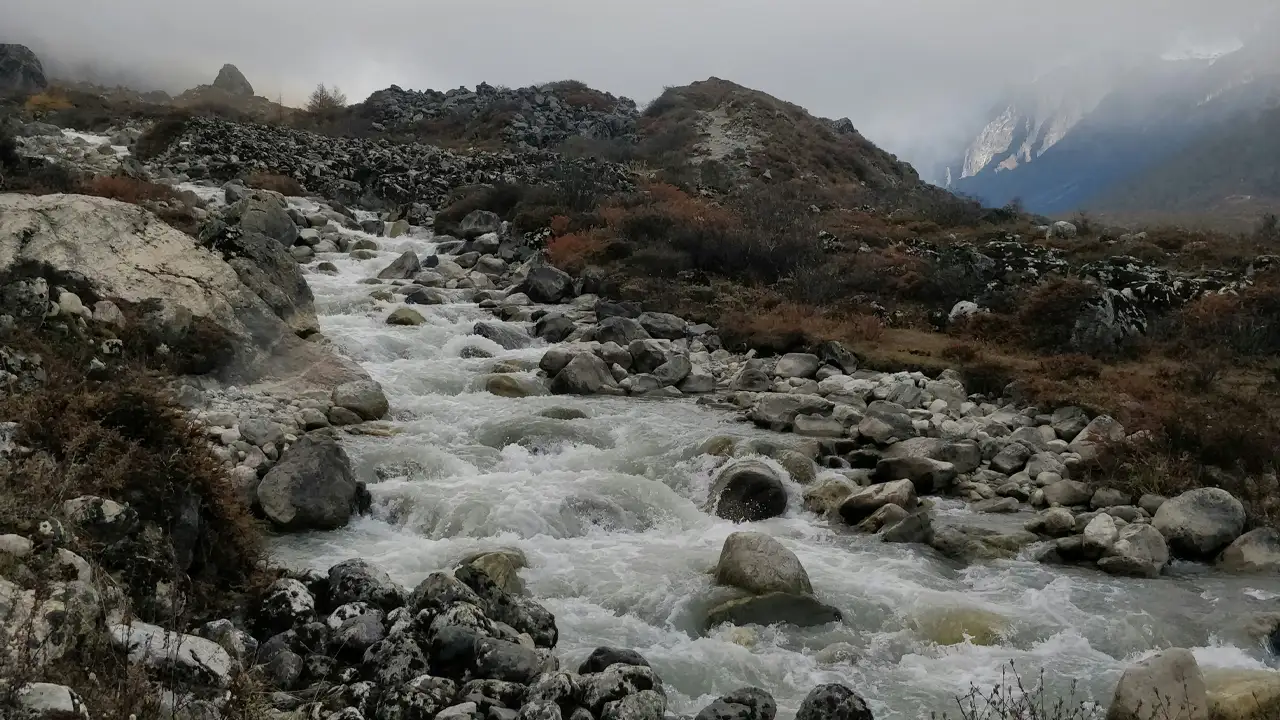
The Langtang Gosainkunda Trek – 16 Days is an unforgettable journey through the heart of Nepal’s Himalayas, combining breathtaking natural landscapes, sacred lakes, and rich cultural experiences. This trek is perfect for adventure seekers, nature lovers, and travelers looking to explore one of Nepal’s most pristine trekking regions. Over 15 days, you will traverse Langtang National Park and reach the sacred alpine lakes of Gosainkunda, a site of religious significance for both Hindus and Buddhists.
Starting from Kathmandu, the trek begins with a scenic drive to the trailhead, followed by gradual ascents through dense rhododendron forests, terraced fields, and picturesque Himalayan villages. You will trek to traditional settlements like Lama Hotel, Langtang Village, and Kyanjin Gompa, where you can experience local hospitality and enjoy authentic Nepalese cuisine. Along the way, the trek offers stunning views of peaks such as Langtang Lirung, Dorje Lakpa, and Ganesh Himal, as well as sweeping valleys, glaciers, and alpine meadows.
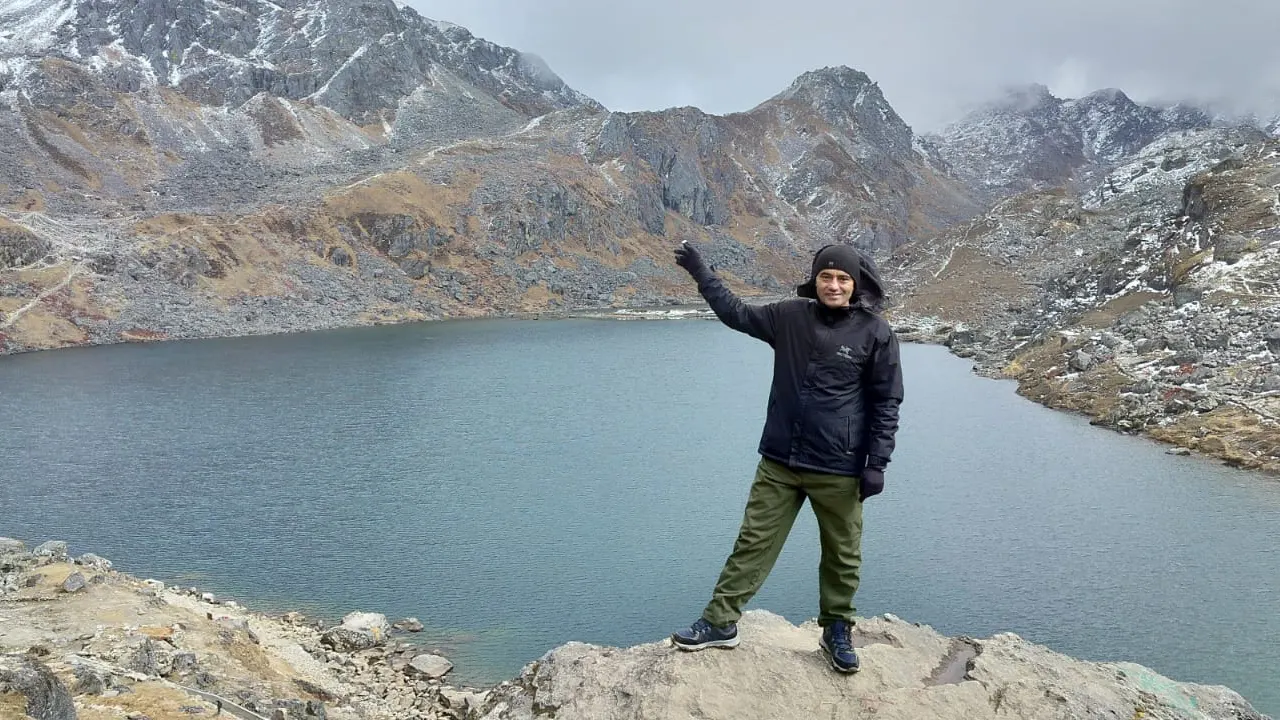
A highlight of this trek is the Gosainkunda Lake, perched at an altitude of over 4,300 meters. Trekkers can enjoy the crystal-clear waters, surrounding snow-capped peaks, and the spiritual ambiance of this sacred site. The trek also provides ample opportunities to explore ancient monasteries, mani walls, and prayer flags, giving insight into the Tibetan-influenced culture of the Langtang region.
This 15-day trek is designed to balance adventure with comfort, offering tea house accommodations, nutritious meals, and experienced trekking guides to ensure safety and convenience. Optional porters are available to carry your luggage, allowing you to focus on enjoying the trek. With moderate daily distances and manageable altitude gains, this trek is suitable for both intermediate and experienced trekkers.
By the end of the journey, you will return to Kathmandu with incredible memories, stunning Himalayan views, and a sense of accomplishment from completing one of Nepal’s most scenic and culturally rich trekking routes. The Langtang Gosainkunda Trek is not just a trek—it’s an immersive experience into the natural beauty, spirituality, and hospitality of Nepal’s Himalayas.
Itinerary
Upon arrival at Tribhuvan International Airport in Kathmandu, travelers are warmly welcomed by their guide and driver. After clearing immigration and collecting luggage, you’ll be transferred to your hotel in the city, where you can rest, refresh, and recover from your international flight. Depending on your arrival time, you may have the opportunity to explore the vibrant streets of Thamel, the main tourist hub, or enjoy a traditional Nepali meal at a local restaurant.
Kathmandu, the capital of Nepal, is a fascinating city that blends ancient culture with modern life. You’ll notice the bustling markets, colorful temples, prayer flags fluttering in the wind, and historic architecture as you walk through its streets. This day is primarily for adjusting to the city’s rhythm, resting, and preparing for your upcoming trekking adventure or sightseeing tour. Your guide will also provide a briefing on the trek ahead, including tips on packing, acclimatization, and local customs. Overnight stay is at a comfortable hotel in Kathmandu, offering a convenient base to begin your Nepal journey.
- Altitude: 1400
- Accommodation: Hotel
- Meals: B/L/D
Your Langtang Gosainkunda adventure begins with a scenic drive from Kathmandu to Syabrubesi, arranged by Nepal Voyage Treks. The journey follows the Pasang Lhamu Highway, winding north through lush green valleys, terraced farmlands, and traditional Tamang villages. On clear days, the majestic peaks of Ganesh Himal, Langtang Lirung, and Dorje Lakpa greet you from afar. The road passes through Trishuli Bazaar, where you can stretch your legs, and ascends toward Dhunche (1,960m), the district headquarters of Rasuwa. Here, the valley opens up with views of cascading waterfalls, river gorges, and forested hillsides.
After Dhunche, the drive descends toward Syabrubesi (1,550m), a charming gateway village on the banks of the Bhote Koshi River. Upon arrival, you’ll check into a lodge in Syabrubesi, enjoy a hot meal, and prepare for the trek ahead. In the evening, stroll through the village and breathe in the fresh Himalayan air, surrounded by the forested valley that marks the start of your Langtang Gosainkunda journey.
- Altitude: 2320
- Accommodation: Hotel
- Meals: B/L/D
The trek officially begins after a hearty breakfast in Syabrubesi, the last “civilized” town before entering the Langtang region. The trail starts with a gentle climb along the Bhote Koshi River, crossing your first suspension bridge, where you can watch the turquoise river rush below, foaming past boulders. The path winds through small Tamang villages, where stone houses are decorated with prayer flags and mani walls, giving a glimpse into the local Buddhist culture. The forest along this section is dense with bamboo, oak, and rhododendron, and if you’re lucky, you might spot langurs leaping between branches or colorful Himalayan birds flitting about.
After around three hours, you’ll reach Bamboo (1,970m) — a peaceful spot beside the river perfect for a lunch break at a local tea house, enjoying simple but hearty Dal Bhat or noodles while soaking in the mountain air. The trail then ascends more steeply, passing cascading waterfalls, moss-covered cliffs, and small wooden bridges over streams from the Langtang Glacier. The last stretch to Lama Hotel (2,470m) offers glimpses of Langtang Lirung in the distance, partially veiled by clouds, and yak pastures where locals graze their animals. Upon arrival, check into a lodge in Lama Hotel, relax with a warm meal, and enjoy the calm Himalayan evening surrounded by pine forests.
- Altitude: 2470
- Accommodation: Lodge
- Meals: B/L/D
After breakfast at Lama Hotel, the trail begins with a steady climb through dense oak and rhododendron forests, following the Langtang Khola River upstream. Early in the morning, the valley is alive with the sounds of flowing water, bird calls, and distant yak bells, giving a peaceful start to the day. Along the way, you’ll cross wooden bridges over rushing streams and pass through small Tamang villages with stone houses, adorned with prayer flags, mani walls, and chortens, reflecting the deep Buddhist heritage of the region. The first major stop is Ghoda Tabela (3,030m), a former army check-post, where you can rest and enjoy a packed snack or tea, while admiring the view of the valley below and the towering Langtang Lirung in the distance.
From Ghoda Tabela, the trail continues through yak pastures and alpine meadows, with grazing yaks and scattered stone huts dotting the landscape. The final stretch to Langtang Village (3,430m) opens up the valley fully, giving a stunning view of Langtang Lirung, Dorje Lakpa, and Langshisa Ri. The village itself is small but vibrant, featuring stone houses, mani walls, prayer flags, and local tea houses, many rebuilt after the 2015 earthquake. Upon arrival, you’ll check into a lodge in Langtang Village, where you can relax, enjoy a warm meal, and take in the serene high-altitude atmosphere.
- Altitude: 3430
- Accommodation: Lodge
- Meals: B/L/D
After breakfast in Langtang Village, the trail starts gently, winding through yak pastures and open alpine meadows, with Langtang Lirung towering above. The air is crisp and fresh, and the valley feels serene, surrounded by high cliffs dotted with prayer flags fluttering in the wind. The trail passes through small stone cottages and mani walls, reminding you of the region’s Tibetan Buddhist heritage. You’ll cross wooden bridges over clear glacial streams, where the sound of rushing water mixes with the distant bells of grazing yaks. Midway, take a short break at Mundu (3,550m), a tiny settlement offering tea and snacks, while admiring Langshisa Ri and Dorje Lakpa framed perfectly by the valley.
The final stretch is a gentle ascent leading to Kyanjin Gompa (3,870m), nestled in a high-altitude valley. Upon arrival, you can explore the historic monastery, stroll among yak pastures, and visit the famous Kyanjin cheese factory, sampling local Himalayan cheese. The lodge here provides a cozy retreat after the day’s trek, with warm meals and spectacular mountain views right outside your window. Evening is perfect for photography, observing mani walls, or simply enjoying the tranquil alpine environment before your next day of exploration.
- Altitude: 3870
- Accommodation: Lodge
- Meals: B/L/D
After breakfast, today is dedicated to acclimatization and exploration, giving your body a chance to adjust to the altitude. The main highlight is the optional hike to Kyanjin Ri (4,773m) or Tsergo Ri (4,984m). The hike to Kyanjin Ri is moderately challenging and takes about 2–3 hours round trip, offering breathtaking views of Langtang Lirung, Dorje Lakpa, Yala Peak, and the surrounding glaciers. For more experienced trekkers, Tsergo Ri provides a longer, steeper climb with panoramic vistas of the entire Langtang Valley, Langshisa Ri, and even glimpses of Gosaikunda Lake from afar. Along the way, you’ll pass stone cairns, mani walls, and high-altitude yak pastures, all adding to the spiritual and serene atmosphere.
If you prefer a more relaxed day, you can explore the Kyanjin Gompa monastery, visit the local cheese factory to see Himalayan cheese-making in action, and walk through yak pastures dotted with prayer flags. The alpine meadows and small stone cottages provide plenty of photo opportunities, while the cool breeze and snow-capped peaks create a peaceful environment. The evening is spent at the lodge in Kyanjin Gompa, enjoying a warm meal and reflecting on the stunning landscapes and cultural experiences of the valley.
- Altitude: 4984
- Accommodation: Lodge
- Meals: B/L/D
After breakfast at Kyanjin Gompa, the trail begins with a gentle descent through yak pastures and alpine meadows, giving one last look at Langtang Lirung, Dorje Lakpa, and Langshisa Ri. The crisp morning air carries the sounds of flowing streams and distant yak bells, while the valley feels peaceful and wide open. Along the way, you’ll cross wooden bridges over glacial streams and pass through small stone huts and mani walls, where prayer flags flutter in the wind, creating a spiritual atmosphere as you descend.
Midway, you may stop for tea or lunch at a small tea house, enjoying the warmth and views of the valley below. The trail continues through oak and rhododendron forests, with occasional waterfalls cascading from nearby cliffs. As you approach Lama Hotel (2,470m), the landscape becomes more forested, dotted with grazing yaks and occasional small huts. Upon arrival, you’ll check into a lodge at Lama Hotel, relax with a hot meal, and enjoy the serene forested valley surroundings, reflecting on the high-altitude adventure you just completed.
- Altitude: 3870
- Accommodation: Lodge
- Meals: B/L/D
After breakfast at Lama Hotel, the trail gently descends into the Langtang Valley, following the Langtang Khola River through dense pine and rhododendron forests. Early morning, you may hear the calls of Himalayan birds and spot langurs leaping across branches, while the valley opens occasionally to breathtaking views of Langtang Lirung and Langshisa Ri. The path passes several small Tamang settlements, where locals greet trekkers warmly, and you’ll notice mani walls, prayer flags, and chortens marking sacred spots along the trail. You’ll also cross a few wooden suspension bridges over clear mountain streams, with the rushing water reflecting the towering cliffs above.
About midway, stop at a small tea house for refreshments and a light lunch, enjoying the serene atmosphere and distant glacier views. The final stretch to Thulo Syabru (2,300m) descends gradually through terraced farmlands and forested hillsides, with occasional glimpses of Yak pastures and scattered stone huts. Upon arrival, check into a lodge in Thulo Syabru, where you can enjoy a warm meal, rest, and prepare for the next day’s ascent toward the high-altitude lakes of Gosainkunda.
- Altitude: 2470
- Accommodation: Lodge
- Meals: B/L/D
After a hearty breakfast at Thulo Syabru, the trail begins with a steady ascent through dense rhododendron and oak forests, with the Langtang Khola River flowing beside you for much of the morning. The path winds through small stone settlements and manis and chortens, reminding trekkers of the region’s deep Buddhist culture. You’ll cross several wooden suspension bridges over glacial streams, with the sound of rushing water echoing off the surrounding cliffs. Along the way, occasional clearings offer glimpses of Langtang Lirung, Langshisa Ri, and Dorje Lakpa, giving you perfect photo opportunities.
Around mid-morning, take a short rest at a small tea house, enjoying a hot cup of tea or local snacks while soaking in the alpine views. The trail then steepens, climbing past yak pastures and stone huts toward Singh Gompa / Chandanbari (3,250m). Here, trekkers are rewarded with panoramic views of snow-capped peaks and glacial valleys, and the village itself features a small monastery and several cozy lodges. Upon arrival, you’ll check into a lodge, enjoy a warm meal, and rest, preparing your body for the high-altitude trek to Gosainkunda Lake the next day.
- Altitude: 3250
- Accommodation: Lodge
- Meals: B/L/D
After breakfast at Chandanbari, the trail begins with a gradual ascent through alpine meadows, passing yak pastures and scattered stone huts. The landscape becomes more rugged as you enter the high-altitude zone, with low shrubs, boulders, and occasional streams flowing from glacial melt. Small wooden bridges cross the fast-flowing streams, and prayer flags flutter from rocks along the trail, marking sacred spots. As you climb higher, the valley opens up, offering panoramic views of Langtang Lirung, Langshisa Ri, and the surrounding ridges, with snow-capped peaks glistening in the sunlight.
Midway, trekkers often take a break at a tea house near small glacial streams, enjoying warm tea or light snacks while catching their breath. The final stretch is a steeper ascent along rocky moraine trails, leading to the pristine alpine lakes of Gosainkunda (4,380m). This sacred lake, surrounded by towering peaks, is crystal clear and often partially frozen, reflecting the mountains and prayer flags around it. Upon arrival, check into a lodge near the lake, enjoy a hearty meal, and take in the serene, spiritual atmosphere. Evening offers stunning views of the lake under the sunset and the surrounding snow-capped peaks.
- Altitude: 4380
- Accommodation: Lodge
- Meals: B/L/D
Trek from Gosaikunda to Sing Gompa
- Altitude: 1400
- Accommodation: Lodge
- Meals: B/L/D
Trek from Sing Gompa to Dunche
- Meals: Breakfast
Drive Back to Kathmandu from Dhunche
Departure Day
Our Cost's
Cost Includes
- Professional trekking guide and support staff to ensure safety and smooth trekking.
- Accommodation in tea houses/lodges along the entire route.
- Daily breakfast, lunch, and dinner during the trek.
- All necessary trekking permits, including Langtang National Park Entry Permit and TIMS card.
- Airport transfers in Kathmandu (arrival and departure).
- Transportation to and from the trailhead.
- Optional porters to carry luggage if needed.
- Emergency support and first aid kit available throughout the trek.
- Pre-trek briefing in Kathmandu covering route, safety, and culture.
Cost Excludes
- International airfare to and from Nepal.
- Nepal visa fees for entry.
- Travel insurance (mandatory for trekking, including medical evacuation).
- Personal expenses like drinks, snacks, souvenirs, and hot showers.
- Trekking gear and equipment such as sleeping bags, jackets, and walking sticks.
- Tips for guides and porters.
- Optional activities or side trips not mentioned in the itinerary.
FAQ's
The trek is rated as moderate to challenging. While the Langtang Valley section is moderate, the climb toward Gosainkunda and crossing the Lauribina Pass (4,610m) is physically demanding due to steep inclines and high altitude.
The highest point of the trek is typically Lauribina Pass (4,610m). However, if you hike to the top of Tserko Ri in the Langtang Valley, you will reach an impressive 5,033m (16,512 ft).
A complete itinerary usually takes 12 to 15 days. This allows for proper acclimatization in Kyanjin Gompa before heading up to the sacred lakes.
The best seasons are Autumn (Sept to Nov) for crystal clear views and Spring (March to May) for blooming rhododendrons. The Janai Purnima festival in August is also popular for its religious significance, though it falls during the monsoon.
Gosainkunda is a sacred alpine lake for both Hindus and Buddhists. According to Hindu mythology, Lord Shiva created the lake by thrusting his trident into the mountain to obtain water to cool his throat after swallowing poison.
Yes, you need two main permits: the Langtang National Park Entry Permit and the TIMS (Trekkers' Information Management System) Card. If your route ends in Sundarijal, you may also need a Shivapuri National Park Permit.
Yes, especially during the rapid ascent from the valley floor to Lauribina. It is crucial to follow a professional itinerary that includes acclimatization days and to stay well-hydrated.
While Everest is not visible, you get breathtaking views of Langtang Lirung, Ganesh Himal, Dorje Lakpa, and the Annapurna range from the Lauribina viewpoint.
This is a teahouse trek. You will stay in local lodges that provide basic but cozy rooms (twin-sharing) and a central dining area heated by a wood stove.
Yes. Per current Nepal government regulations for 2026, trekking with a licensed guide is mandatory in the Langtang region to ensure trekker safety and environmental protection.
Crucial gear includes a heavy down jacket (rated for -10°C), high-quality hiking boots, thermal base layers, a headlamp, and polarized sunglasses to protect against snow glare.
Yes, teahouses sell water, but we recommend bringing water purification tablets or a filter to use with local tap water to minimize plastic waste in the national park.
No. There are no ATMs after you leave Kathmandu or Dhunche. You must carry enough Nepalese Rupees in cash for personal expenses, snacks, and tips.
Mobile signal (NTC/Ncell) is available in many areas but is patchy in the higher valleys. Most teahouses offer Wi-Fi for a small fee, though the connection can be slow.
We offer expert local guides, customized itineraries for safe acclimatization, and seamless logistics from Kathmandu, ensuring you focus entirely on the spiritual and natural beauty of the Himalayas.