
How Difficult Is The Everest Base Camp Trek? Fitness, Altitude & Training Guide
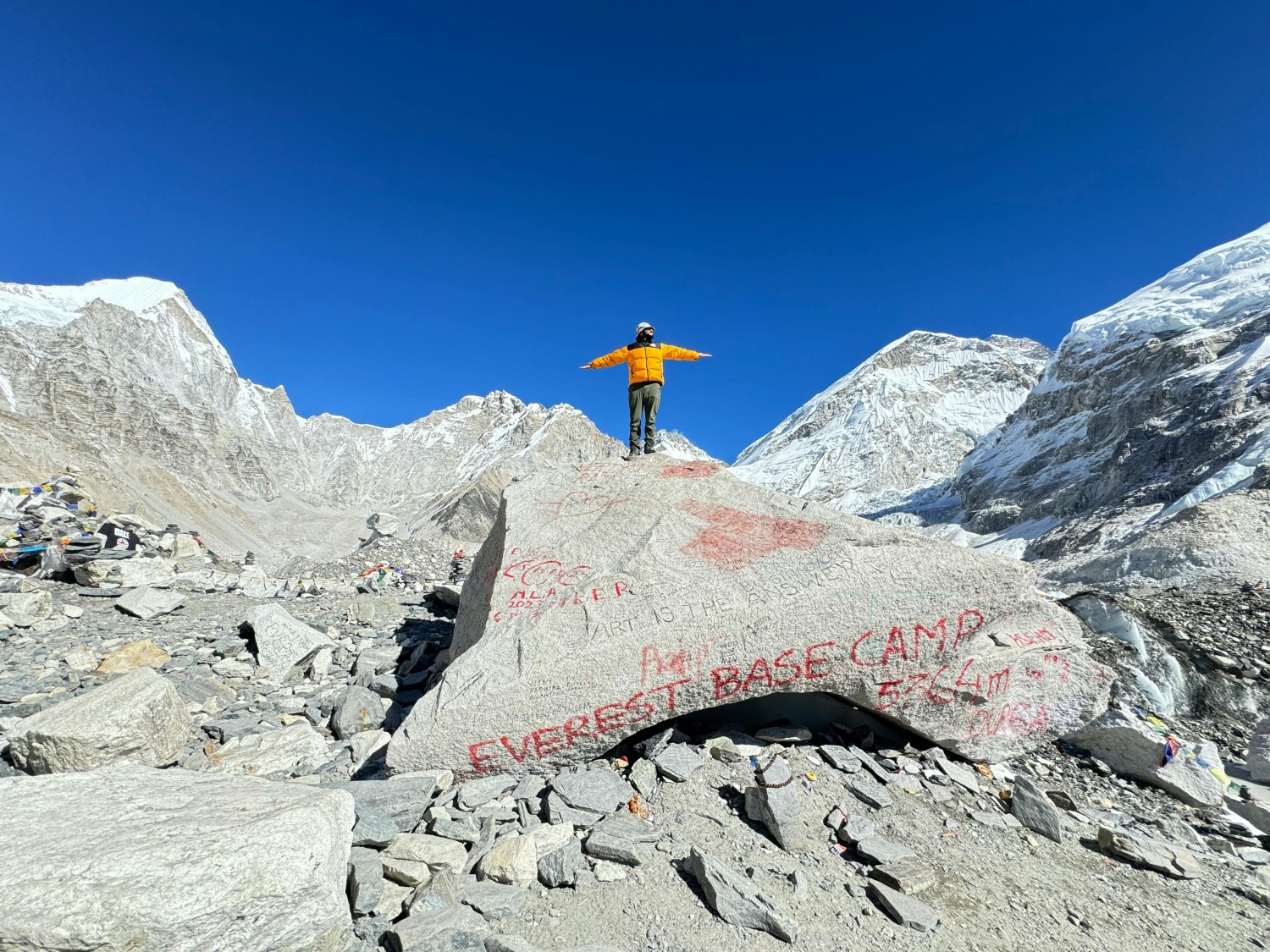
Reaching Everest Base Camp does not require mountaineering skills, but it is a genuine physical challenge. Thousands of first-time trekkers succeed every season, and a small number turn back – almost always because of altitude rather than fitness. This guide explains exactly what makes the Everest Base Camp Trek hard, and how to prepare so you arrive at 5,364 m strong and smiling.
Hand-picked itineraries
Recommended Trips
Related journeys you may want to explore after reading this article.
Quick answer
The Everest Base Camp trek is rated moderate to strenuous. You walk 5–8 hours a day for about 12 days on rocky mountain trails, but the real difficulty is altitude: you sleep up to 5,164 m at Gorak Shep and climb Kala Patthar at 5,545 m. Anyone in good health who trains for 6–8 weeks and follows a proper acclimatisation schedule has an excellent chance of success.
| Difficulty grade | Moderate to strenuous (non-technical) |
|---|---|
| Daily walking | 5–8 hours, 10–15 km on most days |
| Total distance | About 130 km return from Lukla |
| Highest sleeping point | Gorak Shep, 5,164 m |
| Highest point | Kala Patthar, 5,545 m |
| Recommended training | 6–8 weeks of cardio, hill walking and leg strength |
In this guide
What Makes the Everest Base Camp Trek Difficult?
The trek is not technical – there is no climbing, no ropes and no exposure. The challenge comes from a combination of factors:
- Altitude: oxygen at base camp is roughly half of what it is at sea level.
- Consecutive days: you walk for 8–9 days to reach base camp with only two rest days.
- Terrain: stone staircases, suspension bridges, loose moraine and long ascents such as the climb to Namche Bazaar.
- Cold: nights above 4,000 m drop well below freezing, even in the main seasons.
- Basic comfort: simple teahouse rooms, shared toilets and limited heating make recovery harder.
Altitude Sickness: The Real Challenge
Acute Mountain Sickness (AMS) can affect anyone, regardless of fitness or age. Early symptoms include headache, nausea, loss of appetite, poor sleep and unusual tiredness. The only cure for worsening symptoms is to descend.
Our itinerary follows widely accepted mountain-medicine guidance: above 3,000 m, increase your sleeping altitude gradually and take rest days. That is why we include acclimatisation days in Namche Bazaar (3,440 m) and Dingboche (4,410 m), where you hike high and return to sleep lower.
- Drink 3–4 litres of water a day.
- Walk slowly – your guide will set a steady pace.
- Avoid alcohol and sleeping pills at altitude.
- Tell your guide about any symptoms immediately; we check oxygen saturation daily with a pulse oximeter.
- Ask your doctor about acetazolamide (Diamox) before you travel.
A Typical Trekking Day
Most days start with breakfast at 7:00 am and walking by 8:00 am. You walk for 3–4 hours, stop for lunch at a teahouse, and arrive at the next village by mid-afternoon. The toughest days are:
- Phakding to Namche Bazaar – a steep 600 m climb after the Hillary Bridge.
- Lobuche to Gorak Shep and Everest Base Camp – 7–8 hours at over 5,000 m.
- Kala Patthar – a pre-dawn climb in freezing temperatures, rewarded with sunrise on Everest.
How Fit Do You Need to Be?
You do not need to be an athlete. If you can hike uphill for 4–6 hours with a light daypack and repeat it the next day, you are ready to start training. Trekkers in their sixties and teenagers reach base camp every season. What matters most is endurance, not speed.
8-Week Training Plan for Everest Base Camp
| Weeks | Focus | Example sessions |
|---|---|---|
| 1–2 | Base cardio | 3–4 brisk walks, cycles or swims of 45 minutes |
| 3–4 | Hills and stairs | Stair climbing or incline treadmill, one 3-hour weekend hike |
| 5–6 | Strength and load | Squats, lunges, step-ups; hikes with a 6–8 kg daypack |
| 7–8 | Back-to-back days | Two long hikes on consecutive days, then taper in the final week |
Break in your trekking boots during training – blisters are the most common avoidable problem on the trail. See what else to bring in our Everest Base Camp packing list.
Which Season Is Easiest?
Autumn (late September–November) and spring (March–May) offer the most stable weather and are the easiest times to trek. Winter is colder and some lodges close; the monsoon brings rain, leeches at lower altitudes and flight delays. Read our season-by-season guide for details.
Easier Alternatives to the Classic Trek
- EBC Trek with Helicopter Return – walk up, fly back, saving the long descent.
- Everest Base Camp Helicopter Tour – see Everest in a single morning with no trekking.
- Longer, gentler itineraries with extra acclimatisation days – we can add days to any trek.
Frequently Asked Questions
Is the Everest Base Camp trek hard for beginners?
It is challenging but achievable for beginners in good health. There is no technical climbing; the main difficulties are altitude and walking 5–8 hours a day. Six to eight weeks of training makes a big difference.
Can an unfit person do the Everest Base Camp trek?
An unfit person can prepare for it. Starting a regular walking, stair-climbing and leg-strength routine two months before departure is usually enough for a healthy adult.
How many people fail to reach Everest Base Camp?
Most well-acclimatised trekkers on a 12–14 day itinerary reach base camp. Those who turn back usually do so because of altitude sickness, which is why rest days and a slow pace matter.
What is the hardest day on the EBC trek?
For most people it is the day from Lobuche to Gorak Shep and on to Everest Base Camp, walking 7–8 hours above 5,000 m. The pre-dawn climb of Kala Patthar the next morning is also demanding.
Is there an age limit for the Everest Base Camp trek?
There is no official age limit. Children from about 10 and fit trekkers in their seventies have completed it. Anyone with heart or lung conditions should get medical advice first.
Do I need oxygen for Everest Base Camp?
No. Supplementary oxygen is not needed for the trek. Guides carry first-aid supplies and monitor oxygen saturation; emergency evacuation is available if required.
Plan your trek with Shalom Adventure Holidays
Our 14-day Everest Base Camp Trek includes Lukla flights, permits, a licensed guide, porters, teahouses and all meals on the trail. Prefer to skip the long walk down? See the EBC Trek with Helicopter Return. Contact us for dates and a personalised quote.
0 Comment
Annapurna Circuit Trek Cost 2026: Permits, Transport, Teahouses & Package Prices
Sep 24, 2026 • Blog
Thorong La Pass Guide: How to Cross the Annapurna Circuit's Highest Point Safely
Sep 23, 2026 • Blog
Annapurna Circuit Trek Itinerary: 13 Days vs 15 Days with Tilicho Lake
Sep 22, 2026 • Blog
Manaslu Circuit vs Annapurna Circuit: Which Nepal Trek Should You Choose?
Sep 21, 2026 • Blog
Leave a Comment