
Everest Base Camp Packing List: The Complete Guide For Every Season
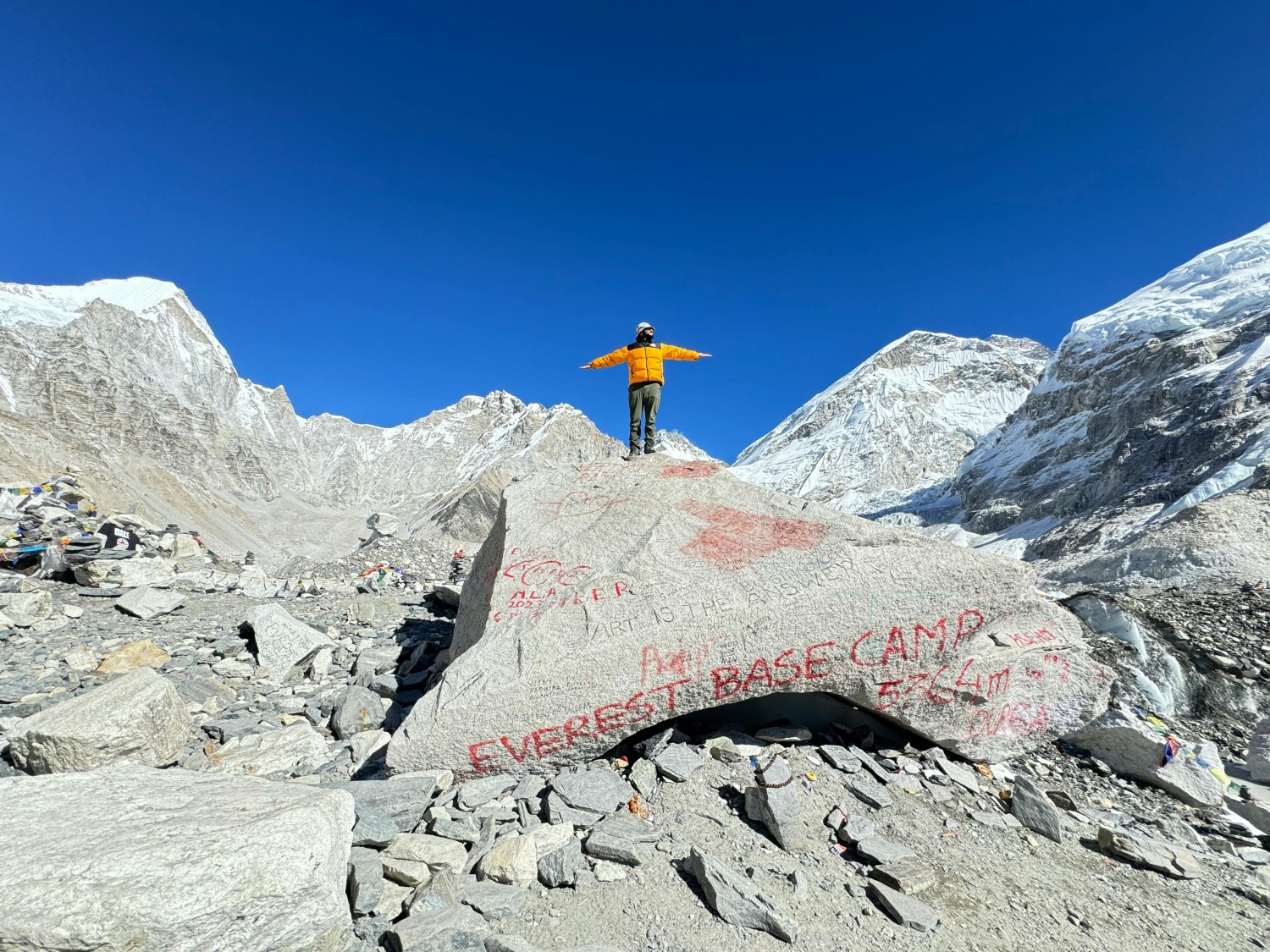
Packing for the Everest Base Camp (EBC) Trek is one of the most important steps in preparing for your Himalayan adventure. Whether you're trekking in spring, autumn, winter, or the quieter monsoon season, bringing the right gear can make the difference between a comfortable journey and an unnecessarily difficult one.
Every year, thousands of trekkers arrive in Nepal carrying either far too much luggage or missing essential items. Some discover that their new hiking boots cause painful blisters after the first day, while others underestimate how cold the mornings and evenings can become above 4,000 meters. These are common mistakes—but they are also avoidable.
As a local trekking company based in Nepal, Shalom Adventure Holidays has guided travelers from around the world through the Everest region. Over the years, we've seen what works, what doesn't, and what experienced trekkers actually use on the trail. This guide brings together those practical insights to help you pack smart, stay comfortable, and enjoy every moment of your Everest Base Camp adventure.
Rather than packing everything you own, the goal is to pack efficiently. The ideal trekking backpack should contain only the essentials while keeping your load light enough to make daily hiking enjoyable. Throughout this guide, you'll find recommendations based on real trekking conditions in Nepal, helping you avoid unnecessary weight without sacrificing comfort or safety.
Why Packing Properly Matters
The Everest Base Camp Trek is much more than a scenic mountain walk. Over 12 to 14 days, you'll experience dramatic changes in altitude, weather, and terrain. Starting from the bustling town of Lukla, the trail climbs through forests, suspension bridges, Sherpa villages, alpine landscapes, and eventually reaches the glacial environment surrounding Everest Base Camp at 5,364 meters (17,598 feet).
Unlike city travel, there are no shopping malls or outdoor gear stores once you begin the trek. While small villages sell a few basic items such as gloves, socks, or snacks, the selection is limited and prices increase significantly with altitude because every product is transported by porters, yaks, or helicopters.
Packing correctly helps you:
- Stay warm during freezing mornings and nights.
- Keep dry if you encounter rain or snow.
- Reduce the risk of blisters and foot injuries.
- Avoid carrying unnecessary weight.
- Prepare for rapidly changing mountain weather.
- Enjoy the trek with greater confidence and comfort.
Many first-time trekkers assume that Everest Base Camp is an extreme mountaineering expedition requiring highly specialized equipment. In reality, it is a teahouse trek, meaning you'll sleep in local lodges each night rather than camping. This allows you to travel lighter than many people expect.
Understanding Everest Weather Before You Pack
One of the biggest mistakes trekkers make is packing without considering the season. Weather in the Himalayas changes dramatically throughout the year, so your clothing should match the time of your visit.
Spring (March to May)

Spring is one of the best seasons for the Everest Base Camp Trek. Days are generally mild, skies are often clear, and the rhododendron forests bloom with vibrant colors. Daytime temperatures at lower elevations are comfortable, while nights above Dingboche can still fall below freezing.
Layering is especially important during spring because temperatures can change significantly between morning, afternoon, and evening.
Autumn (September to November)

Autumn is considered the most popular trekking season in Nepal. Following the summer monsoon, the air is fresh and visibility is often exceptional. Clear mountain views attract trekkers from around the world.
Although daytime hiking conditions are pleasant, temperatures drop quickly after sunset, making warm jackets, gloves, and thermal layers essential.
Winter (December to February)

Winter offers quieter trails and spectacular snow-covered landscapes. However, temperatures can become extremely cold, especially above Lobuche and Gorakshep. Additional insulation, heavier gloves, and warmer sleeping gear are recommended.
If you're planning a winter trek, preparation becomes even more important.
Monsoon (June to August)
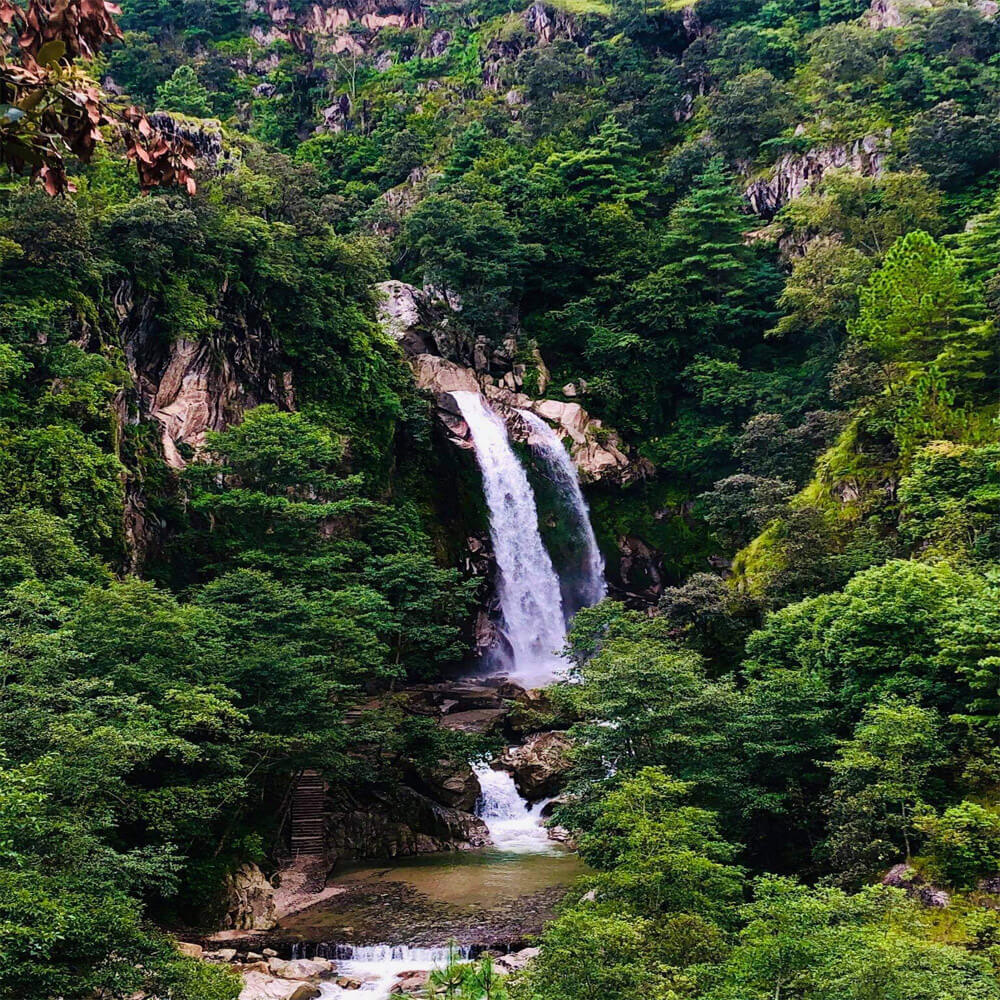
Although fewer trekkers choose the Everest region during the monsoon, it remains possible with careful planning. Expect frequent rain at lower elevations, slippery trails, and occasional flight delays into Lukla.
Waterproof clothing and reliable rain protection become your highest priorities.
The Layering System: The Secret to Comfortable Trekking
Instead of relying on one thick jacket, experienced trekkers use a layering system. This approach allows you to adjust your clothing as temperatures change throughout the day.
Base Layer
Your base layer sits directly against your skin. Its job is to wick moisture away from your body and keep you dry.
Recommended items:
- Thermal top
- Thermal leggings
- Moisture-wicking trekking T-shirts
- Quick-drying underwear
- Sports bras (for women)
Avoid cotton clothing, as it absorbs sweat and dries slowly.
Mid Layer
The mid layer provides insulation and helps retain body heat.
Recommended items:
- Fleece jacket
- Lightweight insulated jacket
- Soft-shell hiking jacket
This layer is often all you'll need while walking during sunny afternoons.
Outer Layer
Your outer shell protects you from wind, rain, and snow.
Choose a waterproof and breathable jacket made from quality materials. Pair it with waterproof trekking pants if trekking during colder or wetter months.
Essential Clothing Checklist
A comfortable trek begins with comfortable clothing.
Upper Body
- 3–4 moisture-wicking trekking shirts
- 2 thermal base layers
- 1 fleece jacket
- 1 down jacket
- 1 waterproof shell jacket
- Lightweight hiking shirt for warmer days
Lower Body
- 2 trekking pants
- 2 thermal leggings
- Waterproof over-pants
- Comfortable shorts (optional during spring and autumn)
Underwear
- 5–7 pairs of quick-drying underwear
-
4–5 pairs of trekking socks
-
1–2 pairs of thick wool socks for sleeping
-
Choosing the Right Footwear
Your BOOTS may be the most important item you bring.
Choose mid- or high-cut waterproof trekking boots with good ankle support. More importantly, wear them for several weeks before arriving in Nepal. Never begin the Everest Base Camp Trek wearing brand-new boots.
A comfortable pair of lightweight camp shoes or sandals is also useful for relaxing in teahouses after each day's hike.
Selecting the Right Backpack
For most trekkers, a 30–40-liter daypack is sufficient if using a porter. This backpack should carry:
- Water bottles
- Trekking Poles
- Camera
- Rain jacket
- Snacks
- Gloves
- Hat
- Sunscreen
- Personal medication
- Extra clothing layer
- Down Jacket
- Sleeping bag
- Toiletries
- Electronics
If trekking without a porter, you'll typically need a 55–65-liter backpack, carefully packed to balance comfort and weight.
Final Thoughts
Packing wisely is one of the most important steps toward a successful Everest Base Camp Trek. The right clothing, gear, and equipment will not only keep you comfortable in the challenging Himalayan environment but also allow you to focus on what truly matters—enjoying the breathtaking landscapes, experiencing Sherpa culture, and creating unforgettable memories beneath the world's highest mountains.
Remember, you don't need to carry everything—just the right essentials. A well-planned packing list, combined with proper physical preparation and a positive mindset, will help make your journey safer, lighter, and far more enjoyable.
At Shalom Adventure Holidays , we believe that every trekker deserves a safe, comfortable, and memorable Himalayan experience. As a locally owned and operated trekking company in Nepal, our experienced guides provide expert advice before your trip, support you throughout the trek, and ensure every detail—from permits and accommodation to logistics and safety—is professionally managed. Whether you're planning your first Everest Base Camp adventure or returning to explore more of the Himalayas, our dedicated team is here to help you every step of the way.
If you're ready to turn your Everest dream into reality, Shalom Adventure Holidays is here to guide you with personalized service, experienced local expertise, and a genuine passion for the mountains. Contact us today to start planning your Everest Base Camp Trek and experience the Himalayas with a team that treats every guest like family.
Happy trekking, and we look forward to welcoming you to Nepal !
0 Comment
.png)

5 Best Trekking Destinations in Nepal (Complete Guide 2026)
Mar 27, 2026 • BlogDiscover Nepal: A Meaningful Journey for Israeli & Jewish Travelers
May 01, 2026 • Blog
Langtang Valley Trek: Nepal’s Hidden Himalayan Gem
May 01, 2026 • Blog
Nepal: The Ultimate Destination for Adventure, Nature, and Affordable Travel
May 07, 2026 • Blog
Where is Nepal?
May 08, 2026 • Blog
Best Time to Trek in Nepal – Season-by-Season Guide
May 19, 2026 • Blog
Holiday Adventure in Nepal: The Ultimate Journey Through the Himalayas
May 12, 2026 • Blog

Best Nepal Trekking Guide: Top Routes & Tips
May 20, 2026 • Blog
Paragliding in Pokhara 2026 – Everything You Need to Know Before You Fly
May 20, 2026 • Blog
Top 5 Reasons to Visit Nepal
Jun 14, 2026 • Blog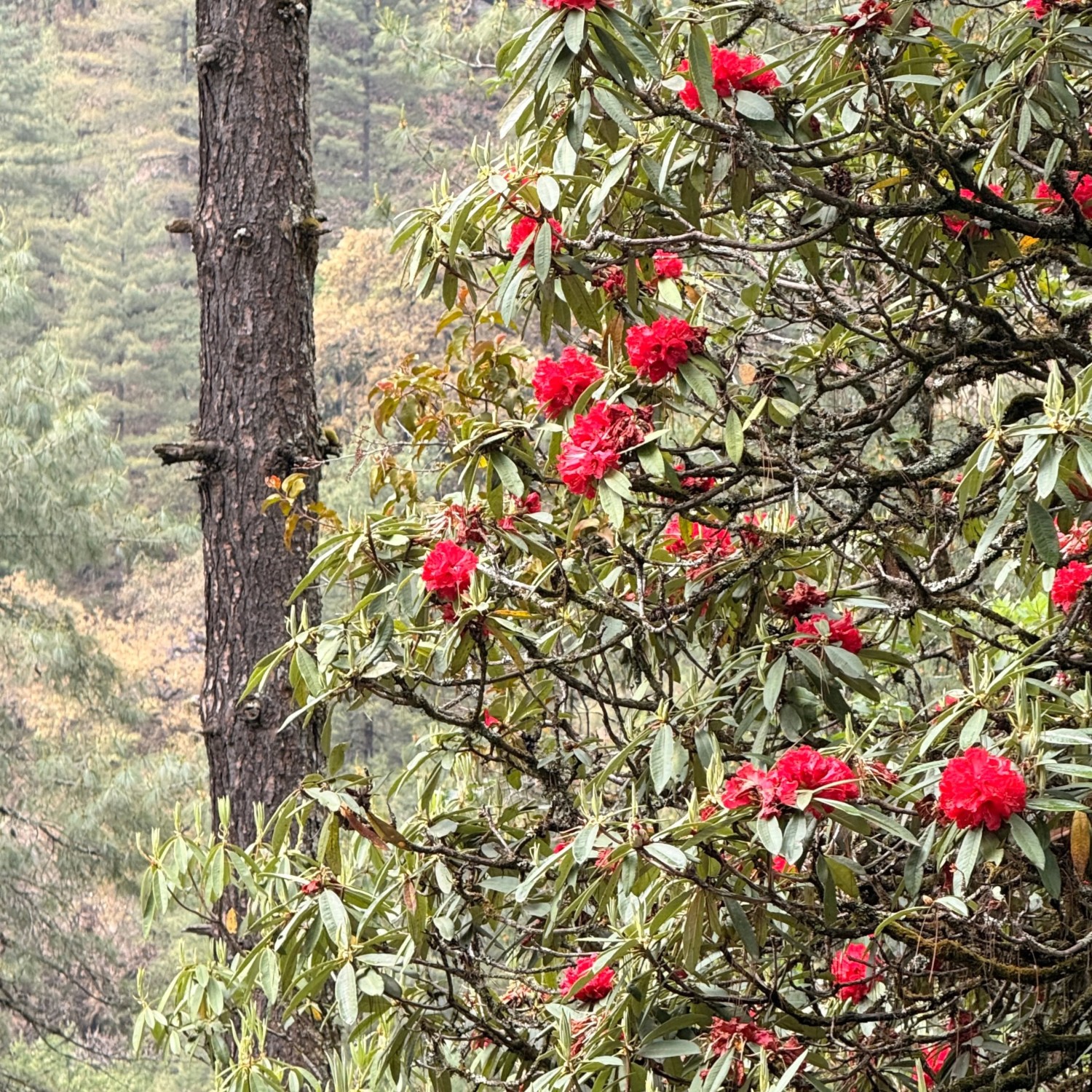
Top 10 Treks in Nepal: A Complete Guide for Adventure Lovers
Jun 22, 2026 • Blog
Everest Base Camp Packing List: The Complete Guide for Every Season
Jul 08, 2026 • Blog
Leave a Comment