
Is The Annapurna Base Camp Trek Hard? Difficulty, Best Time & Tips For Beginners
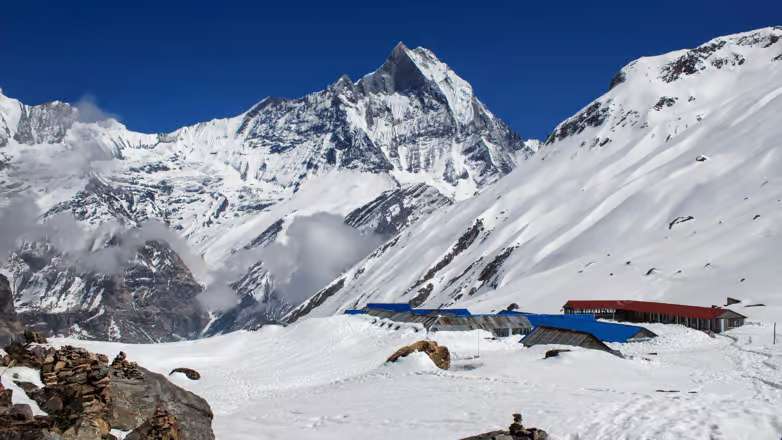
The Annapurna Base Camp Trek is often recommended as the perfect first Himalayan trek – high enough to feel like a real mountain adventure, but lower and shorter than Everest Base Camp. That does not mean it is easy. This guide explains what makes ABC challenging, when to go, and how beginners can prepare.
Hand-picked itineraries
Recommended Trips
Related journeys you may want to explore after reading this article.
Quick answer
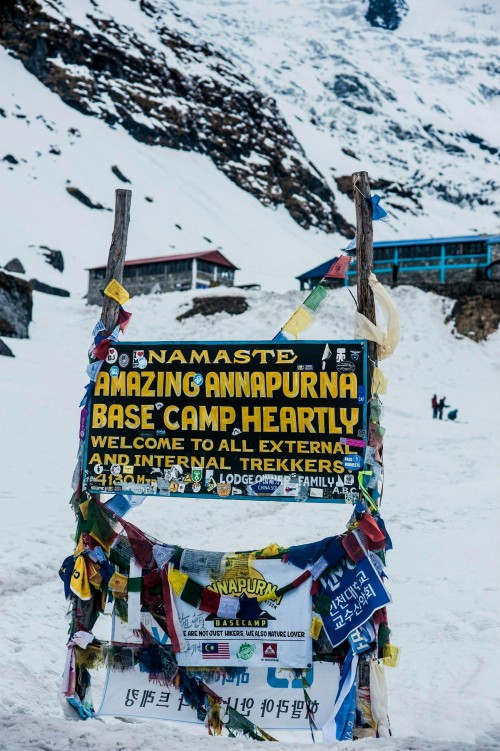
The Annapurna Base Camp trek is moderate. You walk 5–7 hours a day for about 7 days and reach a maximum altitude of 4,130 m, which is manageable for most healthy beginners. The hardest parts are the thousands of stone steps around Chhomrong and the altitude above Machhapuchhre Base Camp. The best time to go is October–November or March–May.
| Difficulty | Moderate – suitable for fit beginners |
|---|---|
| Maximum altitude | 4,130 m at Annapurna Base Camp |
| Daily walking | 5–7 hours |
| Hardest section | Stone steps around Chhomrong and Sinuwa |
| Best seasons | Mar–May and Oct–Nov |
| Winter caution | Avalanche risk between Himalaya Hotel and MBC |
In this guide
How Difficult Is the Annapurna Base Camp Trek?
ABC is a non-technical trek on well-used trails. You do not need ropes or climbing skills. The difficulty comes from:
- Stone staircases: the trail between Jhinu Danda, Chhomrong and Sinuwa involves thousands of steps, up and down, on both the way in and the way out.
- Altitude: you sleep at 3,700 m and 4,130 m. Mild headaches are common; serious altitude sickness is rare with a sensible pace.
- Consecutive days: walking 5–7 hours for a week tests your legs more than any single day.
Compared with Everest Base Camp (5,364 m), ABC is about 1,200 m lower and shorter, making it a great first trek. For the high passes of the Annapurna Circuit or Manaslu, ABC is excellent preparation.
Altitude and Acclimatisation on the ABC Route
Because the trail climbs from 1,780 m to 4,130 m in about three days, listen to your body. Walk slowly above Deurali, drink plenty of water, and tell your guide if you develop a headache that does not go away, nausea or dizziness. Our guides carry a pulse oximeter and first-aid kit and will adjust the plan if needed.
Best Time to Trek to Annapurna Base Camp
| Season | Months | Conditions |
|---|---|---|
| Autumn | Late Sep–Nov | Clear skies, stable weather, busiest season |
| Winter | Dec–Feb | Cold nights, snow above MBC, check avalanche conditions |
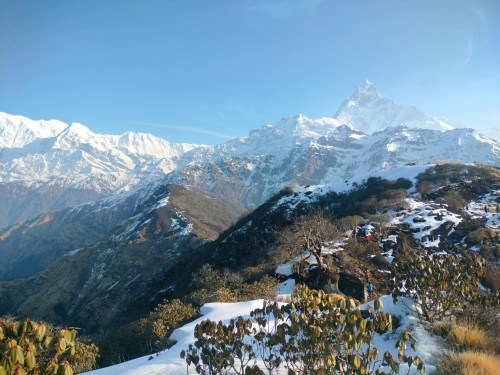
| Spring | Mar–May | Warm days, rhododendron blooms, some afternoon haze |
| Monsoon | Jun–early Sep | Rain, leeches, cloudy views, quiet trails |
For more on Nepal’s seasons, see our best time to trek in Nepal guide.
Avalanche Safety in Winter and Early Spring
The narrow section of the Modi Khola gorge between Himalaya Hotel, Deurali and Machhapuchhre Base Camp lies below steep slopes. After heavy snowfall – usually between January and March – avalanches can reach the trail. Local authorities and lodge owners close the route when the risk is high. Always trek with a licensed guide who checks the latest conditions, and never cross this section in the afternoon after fresh snow.
How to Prepare: Tips for Beginners
- Train on stairs. Climbing and descending stairs for 30–60 minutes, three times a week, is the best preparation for Chhomrong’s steps.
- Use trekking poles to protect your knees on the long descents.
- Break in your boots before you arrive.
- Pack light: a porter carries your main bag; you carry only a daypack with water, snacks and layers. See our trekking packing list.
- Avoid common first-timer mistakes listed in our beginner’s guide to trekking in Nepal.
Who Should Choose ABC?
- First-time trekkers who want a true high-mountain experience.
- Families with teenagers who are active walkers.
- Travellers with 1–2 weeks who want mountains, culture and hot springs.
- Trekkers building up to higher routes such as Everest Base Camp or the Annapurna Circuit.
Frequently Asked Questions
Is Annapurna Base Camp suitable for beginners?
Yes. ABC is one of the best first treks in Nepal. It is non-technical, reaches a moderate 4,130 m, and has comfortable teahouses throughout. Basic fitness training beforehand is recommended.
Is Annapurna Base Camp harder than Everest Base Camp?
No. ABC is lower (4,130 m vs 5,364 m) and shorter, although its stone staircases make some days feel tough. Everest Base Camp is harder mainly because of altitude.
What is the best month for the Annapurna Base Camp trek?
October and November offer the clearest views; April is ideal for rhododendron blooms. March and May are also good.
Can you trek to Annapurna Base Camp in winter?
Yes, but expect snow above Machhapuchhre Base Camp and cold nights. Avalanche risk can close the trail after heavy snowfall, so flexibility and a licensed guide are essential.
Do I need a guide for Annapurna Base Camp?
Yes. Nepal’s rules require foreign trekkers to use a licensed guide in most trekking areas, and a guide is especially valuable in the avalanche-prone gorge section.
Plan your trek with Shalom Adventure Holidays
Our 11-day Annapurna Base Camp Trek starts from USD 850 per person and includes transport, permits, a licensed guide, teahouses and all meals on the trail. Want sunrise at Poon Hill too? Choose the Poon Hill & ABC Trek. Contact us to check dates.
0 Comment
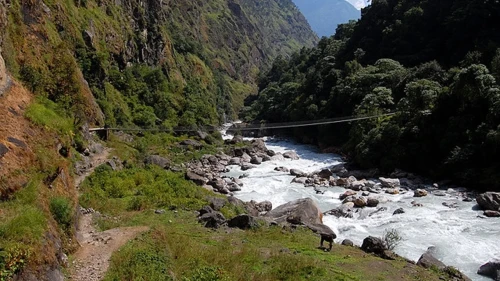
Annapurna Circuit Trek Cost 2026: Permits, Transport, Teahouses & Package Prices
Sep 24, 2026 • Blog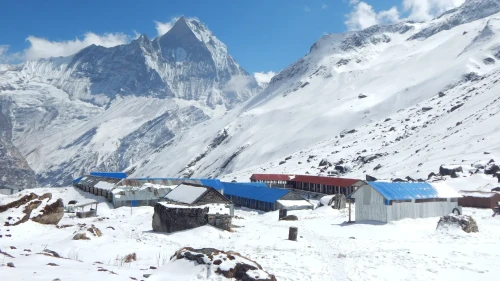
Thorong La Pass Guide: How to Cross the Annapurna Circuit's Highest Point Safely
Sep 23, 2026 • Blog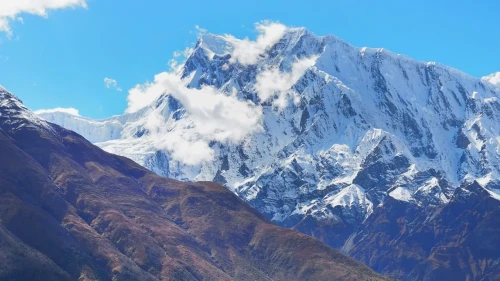
Annapurna Circuit Trek Itinerary: 13 Days vs 15 Days with Tilicho Lake
Sep 22, 2026 • Blog
Manaslu Circuit vs Annapurna Circuit: Which Nepal Trek Should You Choose?
Sep 21, 2026 • Blog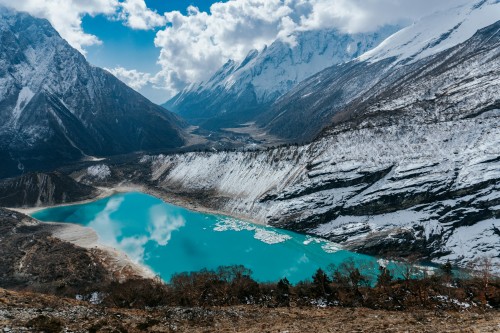
Leave a Comment