
A Kosher Trekker’s Guide To Nepal: How To Maintain Dietary Needs In The Himalayas
Nepal is one of the world’s greatest trekking destinations. From the towering peaks of the Everest region to the peaceful valleys of Annapurna and Langtang, the Himalayas attract thousands of adventurers every year. Among them are many Jewish travelers and Israeli trekkers who seek not only breathtaking landscapes but also meaningful spiritual journeys.
For observant Jewish travelers, however, trekking in Nepal comes with a unique challenge: maintaining kosher dietary practices in remote mountain regions where food options are limited. Fortunately, with proper planning and guidance, it is entirely possible to enjoy the beauty of Nepal while respecting kosher traditions. Can you find kosher food in remote mountain villages? How do you manage pots and pans in traditional tea houses?
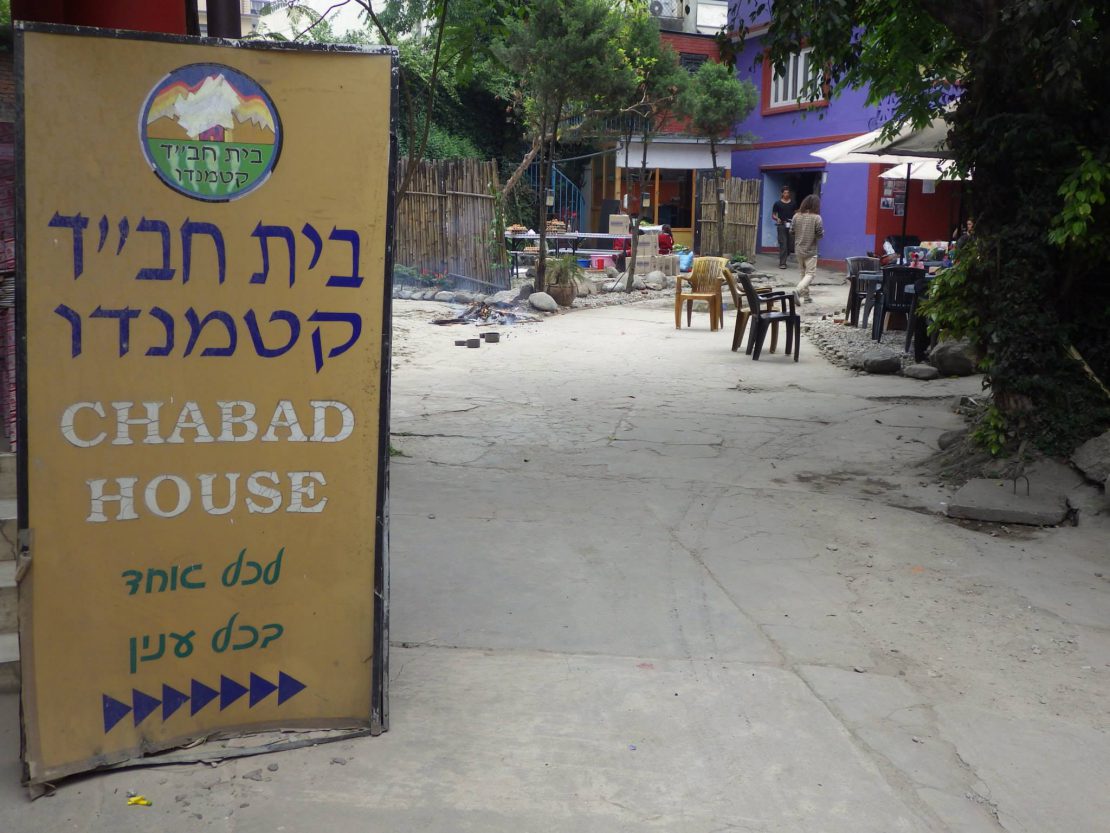
At Shalom Adventure Holidays, we understand your exact needs. Our founder, Shiva Hari Khanal, spent five years living in Israel, mastering the language, and deeply studying Jewish traditions and dietary laws. Similar here in Nepal you can find Kosher food centre also. The primary centers for Kosher food, community life, and religious services in Nepal are the Chabad Houses, which are managed by Rabbi Chezky and Chani Lifshitz. These locations welcome thousands of Israeli backpackers and Jewish travelers annually, providing fully kosher meals, a synagogue, and community events.
Understanding Food Culture in Nepal
Nepali cuisine is rich, simple, and often vegetarian-friendly. In trekking regions, the most common meal is “Dal Bhat( rice and Lentils ,” a traditional combination of rice, lentil soup, vegetables, and pickles. While vegetarian meals are widely available, strict kosher standards may still be difficult to maintain because:
* Kitchens often cook meat and dairy in the same area.
* Cooking utensils are shared
* Ingredients may not be certified kosher
* Remote villages have limited packaged food options
For kosher trekkers, preparation before the trek is essential.
Nevertheless , the right preparation and an experienced agency by your side, these challenges are easy to overcome.
Steps to Organize a Kosher Trek with Us :
Every traveler has a different level of observance. At Shalom Adventure Holidays, we tailor your itinerary to match your specific dietary comfort level.
# The Fully Equipped Kosher Camping Expedition (Highest Observance)
For trekkers who require strict supervision and completely untainted equipment, a camping trek is the gold standard.
* Brand New Gear: We source brand-new cooking pots, pans, plates, and utensils that have never touched non-kosher food.
* Dedicated Kitchen Staff: We assign a private chef and kitchen team trained specifically in kosher food handling rules.
* Fresh Ingredients: Our team carries whole fruits, fresh vegetables, raw grains, eggs, and sealed kosher ingredients straight from Kathmandu.
# The Semi-Autonomous Tea House Strategy
If you prefer staying in tea houses rather than tents, you can choose for a semi-autonomous trek.
* Pack Your Own Light Stove: We assist you in carrying lightweight, portable backpacking stoves (like a Jetboil) and a set of your own lightweight pots.
* Buy Raw Ingredients on the Trail: You can purchase raw potatoes, whole eggs in their shells, rice, and fresh vegetables directly from the tea house owners.
* Cook for Yourself: You use your own clean gear to cook your meals in designated areas, ensuring zero cross-contamination.
This allows travelers to prepare simple kosher meals independently in remote areas.
# The Kathmandu Chabad Base Strategy
For shorter treks near the Kathmandu Valley, you can utilize the incredible resources of the local Chabad House in Kathmandu.
* Pre-Packed Meals: You can order double-wrapped, frozen, or shelf-stable kosher meals from Chabad before leaving.
* Trail Reheating: Our guides will coordinate with tea house kitchens to boil your double-wrapped meals in hot water without ever opening the packaging or touching their cookware.
Choose Vegetarian Meals ( Not Mandatory )
Many kosher trekkers prefer vegetarian food during Himalayan treks because it reduces concerns about meat sourcing and preparation. Common safe choices include:
* Plain rice
* Boiled potatoes
* Vegetable soup
* Lentils
* Fried rice without egg
* Tibetan bread
* Roti / Chapati
Preparation Before Arriving in Nepal
Many experienced Jewish trekkers arrive in Nepal with essential Kosher supplies like :
* Packaged kosher meals
* Instant soups and noodles with kosher certification
* Tuna, crackers, nuts, and dried fruits
* Energy bars and protein snacks
* Powdered coffee and tea
* Disposable utensils if preferred
Freeze-dried kosher camping meals are especially useful during high-altitude treks where food choices become limited.
Stay in Kathmandu Before the Trek
Most trekkers begin their journey in Kathmandu, where supplies are easier to organize. Kathmandu has restaurants, bakeries, supermarkets, and international food products that can help travelers prepare before heading into the mountains. Jewish travelers often connect with local Jewish communities or Chabad centers for support, meals, and travel advice. Your travel agency is there at your assistance .
Trekking Routes and Kosher Considerations
Everest Base Camp Trek
The Everest Base Camp trek is Nepal’s most famous adventure. Since , Mount Everest is the highest mountain in the world everybody around the world dreams to be there. Tea houses along the route serve basic meals such as potatoes, rice, noodles, eggs, and soups. Since imported foods become expensive at higher elevations, due to the remoteness.
The route is physically demanding, so maintaining adequate nutrition is very important.
Annapurna Region
The Annapurna Circuit and Annapurna Base Camp treks offer comparatively wider food options because the region is more developed. Vegetarian meals are easy to find, and some lodges understand international dietary preferences.
This region is often considered slightly easier for kosher-conscious trekkers.
Langtang Valley Trek
The Langtang Valley trek is quieter and culturally rich. Food options are more limited than Annapurna, making personal food preparation even more important.
Book from an Experienced Trekking Company
Working with a trekking company that understands Jewish travelers can make a major difference. Guides can:
* Explain dietary restrictions to tea house owners
* Help arrange cooking setups
* Assist in carrying extra kosher supplies
* Plan trekking days around Shabbat observance
Shalom Adventure Holidays Pvt. Ltd. has experience assisting international and Israeli travelers across Nepal’s trekking regions.
Shabbat in the Himalayas
Observing Shabbat while trekking requires careful scheduling. Many Jewish trekkers:
* Plan rest days during Shabbat.
* Stay in larger villages during Shabbat
* Prepare food in advance
* Avoid long hiking distances during holy days
Popular rest locations like Namche Bazaar in the Everest region or Pokhara before Annapurna treks provide more comfortable environments for observance.
Pokhara is especially popular among Israeli travelers because of its relaxed atmosphere and trekking community.
Cultural Respect and Hospitality
Nepali people are known for their hospitality and kindness. Nepalese people consider Gures as a God . Even in remote villages, locals often try their best to accommodate dietary preferences once they understand them. Respectful communication goes a long way.
Learning a few Nepali phrases such as:
* “Namaste” (Hello / shalom )
* “Dhanyabad” (Thank you)
can create warm connections during your journey.
Why Nepal Remains Special for Jewish Travelers
Despite dietary challenges, Nepal continues to attract Jewish all over the world and Israeli trekkers because the country offers:
* Spiritual mountain landscapes
* Deep cultural experiences
* Friendly local communities
* Affordable trekking adventures
* World-famous Himalayan routes
Many travelers describe trekking in Nepal as both a physical challenge and a spiritual journey, a rare opportunity to disconnect from modern life and reconnect with nature and faith.
Why travel with Shalom Adventure Holidays
Keeping kosher while trekking in Nepal may require extra preparation, but it is absolutely achievable. With thoughtful planning, reliable company and their guides, and the right supplies, Jewish travelers can safely experience the majesty of the Himalayas without compromising their beliefs.
Whether you dream of reaching Everest Base Camp, exploring Annapurna, or discovering hidden valleys, Nepal welcomes trekkers from every background and tradition.
You might see other agencies with similar names, but Shalom Adventure Holidays Private Limited offers a completely unique advantage because Shiva Hari Khanal ,company owner speaks Hebrew and understands the nuances of Jewish customs, religions and tradition . We do not just nod our heads but actively train our guides and porters to respect your traditions, ensure proper food preparation, and respect Shabbat restrictions if you choose to rest on Saturdays.
For customized Jewish-friendly trekking experiences in Nepal, visit:
0 Comment
.png)
Why Trekking to Everest Base Camp Is a Lifetime Achievement : The Ultimate Achievement
Feb 27, 2026 • Travel Blog
5 Best Trekking Destinations in Nepal (Complete Guide 2026)
Mar 27, 2026 • Travel Blog
Discover Nepal: A Meaningful Journey for Israeli & Jewish Travelers
May 01, 2026 • Travel Blog
Langtang Valley Trek: Nepal’s Hidden Himalayan Gem
May 01, 2026 • Travel Blog
Nepal Trekking: Complete Guide to the Best Trekking Packages, Routes & Seasons (2026)
May 06, 2026 • Travel Blog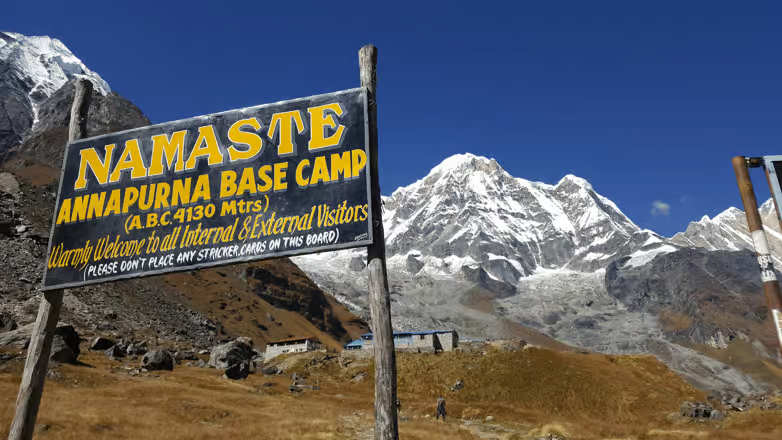
Annapurna Trekking Nepal: Complete Guide to Routes, Cost, Permits & Best Tours (2026)
May 06, 2026 • Travel Blog
Nepal: The Ultimate Destination for Adventure, Nature, and Affordable Travel
May 07, 2026 • Travel Blog
Where is Nepal?
May 08, 2026 • Travel Blog
Best Time to Trek in Nepal – Season-by-Season Guide
May 12, 2026 • Travel Blog
Holiday Adventure in Nepal: The Ultimate Journey Through the Himalayas
May 12, 2026 • Travel Blog
Kathmandu to Pokhara: The Ultimate Scenic Journey Between Nepal’s Two Beautiful Cities
May 12, 2026 • Travel Blog
Top Things to Do in Chitwan National Park – Your Ultimate Adventure & Wildlife Guide
May 12, 2026 • Travel Blog
Leave a Comment