
Top Things To Do In Chitwan National Park – Your Ultimate Adventure & Wildlife Guide

There's a side of Nepal that most people don't expect. You land imagining snow-capped peaks, mountain trails, and thin air — and then someone tells you about Chitwan. Suddenly, you're standing at the edge of a dense subtropical jungle, listening to the distant call of a peacock, watching a one-horned rhino wade through a river, and wondering why nobody warned you that Nepal's lowlands are just as extraordinary as its mountains.
Hand-picked itineraries
Recommended Trips
Related journeys you may want to explore after reading this article.
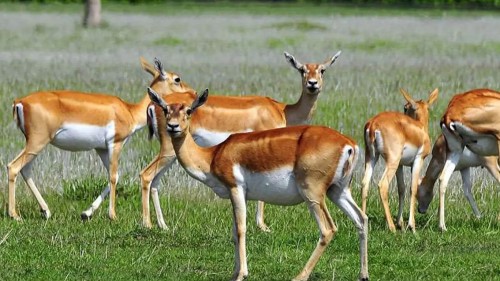

Chitwan National Park sits in the heart of Nepal's Terai region — a vast lowland belt that feels like a completely different country. Established in 1973 as Nepal's first national park and declared a UNESCO World Heritage Site in 1984, Chitwan covers over 932 square kilometers of lush jungle, grasslands, and river systems. It's home to more than 56 species of mammals, 576 species of birds, and some of Asia's most endangered wildlife — including the Royal Bengal tiger and the greater one-horned rhinoceros.
Whether you're a first-time traveler to Nepal, a seasoned wildlife enthusiast, or a family looking for a holiday that goes beyond the typical tourist trail, Chitwan delivers. Here's a complete guide to the best things to do in Chitwan in 2026 — and trust us, this is one destination that earns every bit of its reputation.
1. Jeep Safari – The Heart of the Chitwan Experience
If there's one activity you absolutely cannot skip in Chitwan, it's the jeep safari. This is the most popular — and one of the most thrilling — ways to explore the depths of Chitwan National Park. You'll climb into a 4x4 with an experienced naturalist guide and head into the jungle before the heat of the day sets in.
The park's terrain shifts constantly — from tall elephant grass to dense sal forest to open riverbanks — and every turn feels like it could reveal something extraordinary. Rhinos are spotted regularly and are almost guaranteed if you go early in the morning. Deer, wild boars, langur monkeys, sloth bears, and crocodiles are common sightings. And if fortune is on your side, you might just catch a glimpse of a Royal Bengal tiger moving silently through the grass.
Full-day jeep safaris run for 8 to 10 hours and cover the deeper, less-visited sections of the park — giving you a far richer wildlife experience. Half-day options are available for those with tighter schedules. Either way, this is the kind of experience that stays with you long after you've left.
Best time: Early morning departures give you the best chance of wildlife sightings. Tip: Wear earth-toned clothing — greens, browns, khakis. Bright colors can disturb wildlife and reduce your chances of close encounters.
2. Jungle Walking Safari – Feel the Wild Beneath Your Feet
There's something fundamentally different about walking through a jungle compared to riding through it. On foot, every sound matters. Every rustle in the undergrowth gets your attention. Your senses sharpen in a way that no vehicle can replicate.
The jungle walking safari in Chitwan is one of the most genuinely thrilling experiences Nepal has to offer. Led by certified guides who know the park like the back of their hand, you'll walk through the sal forests and grasslands — tracking footprints, reading animal signs, and occasionally coming face to face with wildlife in their natural environment.
Many walkers have encountered rhinos, wild elephants, and sloth bears up close. Guides are trained to manage these encounters safely, but it's worth knowing upfront — this is not a zoo. It's a real jungle, and the animals are wild. That's exactly what makes it unforgettable.
Walking safaris typically last half a day, though multi-day jungle treks are available for those who want a deeper immersion into the wilderness. A guide is mandatory for all walking safaris inside the park — no independent entry is permitted.
Best time: Early morning or late afternoon, when animals are most active. Tip: Carry water, wear comfortable closed-toe shoes, and apply insect repellent before you head out.
3. Canoe Ride on the Rapti River – Silence, Crocs, and Stunning Birds
Before you head into the jungle, spend a morning on the Rapti River in a dugout canoe. It's a completely different pace — quiet, unhurried, and surprisingly rich in wildlife.
As your canoe glides silently along the river, you'll start spotting gharial crocodiles basking on the sandbanks, their long, narrow snouts unmistakable in the morning light. Marsh mugger crocodiles are equally common. Kingfishers dart across the water in flashes of electric blue. Herons stand perfectly still on the banks. If you're lucky, you might even catch sight of a smooth-coated otter slipping beneath the surface.
The canoe ride typically lasts one to two hours and is a wonderful introduction to Chitwan's ecosystem before a more intense jungle experience. It's also a genuinely peaceful experience — something that's rare and valuable in adventure travel.
Best time: Early morning, when the river is calm and wildlife is most active. Tip: The canoe ride pairs perfectly with a walking safari afterward — many operators offer them as a combined morning package.
4. Bird Watching – A Paradise for Bird Lovers
Chitwan National Park is home to 576 species of birds — that's approximately 65% of Nepal's total bird species concentrated in one area. For anyone with even a passing interest in birdlife, this is extraordinary.
From the giant hornbill to the Bengal florican, from sarus cranes to paradise flycatchers, the birdlife in Chitwan is genuinely spectacular. The Rapti River and the 20,000 Lakes (Bish Hajari Tal) wetland area are particularly rich birding spots, attracting migratory species during the winter months.
Dedicated bird watching tours are available and are led by specialist naturalist guides who can identify species by call alone. Bring binoculars — you'll use them constantly.
Best time: October to March, when migratory birds add to the already impressive resident population. Tip: Early morning is peak activity time. The wetlands around Bish Hajari Tal are among the best birding spots in all of Nepal.
5. Tharu Cultural Village Tour & Evening Show – Soul of the Terai
Chitwan isn't just about wildlife. The region is home to the Tharu people — an indigenous community who have lived in harmony with the jungle for centuries. Their culture, traditions, and way of life are a fascinating dimension of any Chitwan visit that many travelers unfortunately overlook.
A Tharu village tour takes you through a traditional settlement, giving you a real glimpse into daily life in the Terai. You'll see traditional mud-walled houses decorated with beautiful handmade artwork, learn about farming and fishing practices that have remained largely unchanged for generations, and interact with community members in an authentic, non-staged environment.
In the evening, the Tharu cultural show is a must. Dancers in traditional costume perform the famous peacock dance, stick dance, and fire dances — a vibrant and energetic celebration of Tharu identity. The show is lively, colorful, and genuinely enjoyable for all ages. It's also one of the few places in Nepal where you can engage so directly with an indigenous culture.
Best time: Village tours work well in the morning or afternoon; the cultural show typically runs in the evening. Tip: Respect local customs when visiting the village — ask before photographing people, and follow your guide's lead on appropriate behavior.
6. Elephant Bathing – An Ethical Wildlife Encounter
Elephant riding has become increasingly controversial in the travel world, and rightly so. But elephant bathing — watching and participating in the daily cleaning of resident elephants in the river — is a different kind of encounter that many operators in Chitwan now offer as a more ethical alternative.
Watching these massive, intelligent animals interact with their handlers in the river, splashing and rolling with obvious enjoyment, is genuinely moving. For families with children especially, it's one of those rare moments of connection with wildlife that leaves a lasting impression.
Several operators and elephant sanctuaries around Chitwan offer this experience responsibly. Always choose operators who prioritize the animals' welfare and avoid any activity that involves riding or performing.
Best time: Morning bathing sessions typically run between 9 and 11 am. Tip: Do your research before booking — choose operators with good reviews and transparent ethical practices.
7. Visit the Gharial Breeding Center – Conservation Up Close
Located at Kasara, inside the national park, the Gharial Breeding Center is one of Chitwan's most important conservation projects. The gharial — a critically endangered species of crocodile distinguished by its extraordinary long, narrow snout — was once on the brink of extinction in Nepal's rivers.
The breeding center hatches eggs in a protected environment and raises the juveniles before releasing them back into the wild. Visiting gives you a close look at these remarkable reptiles at various life stages and a deeper understanding of the conservation work happening in Chitwan.
It's educational, eye-opening, and a reminder that destinations like Chitwan represent some of the most important wildlife conservation efforts in Asia.
Best time: Any time of year. Tip: Combine this with a jeep safari to Kasara — many operators include the breeding center as part of a full-day park excursion.
8. Bish Hajari Tal (20,000 Lakes) – A Hidden Gem
Tucked away in the buffer zone of Chitwan National Park, Bish Hajari Tal — which translates to "20,000 Lakes" — is one of those places that makes you feel like you've found something the guidebooks forgot to mention. In reality, it's an internationally recognized Ramsar wetland of global importance, but it remains remarkably uncrowded compared to the main park areas.
The oxbow lake system is a vital watering hole for wildlife, particularly during the dry season between February and April. Rhinos, deer, and various waterbirds congregate here in impressive numbers. Many travelers choose to reach Bish Hajari Tal by mountain bike — cycling through the forest trails adds its own layer of adventure to the experience.
Best time: February to April for wildlife; October to March for birds. Tip: Rent a mountain bike in Sauraha and cycle to the lakes — it's a beautiful route through forest and farmland that's worth every pedal.
9. Chepang Hill Trek – Culture Beyond the Jungle
For travelers who want to go beyond the national park and discover a less-visited side of Chitwan, the Chepang Hill Trek is a truly rewarding experience. The Chepang are one of Nepal's most marginalized indigenous communities — a semi-nomadic people who have traditionally lived in the hills surrounding the Chitwan valley, surviving through hunting, gathering, and subsistence farming.
This 3 to 4-day trek takes you through Chepang villages, where you'll stay in local homestays, share meals with families, and get a rare and honest look at a way of life that's slowly changing with the modern world. The trekking itself isn't technically demanding, but the cultural depth and the sunrise views from Sirai Chuli — with panoramic Himalayan vistas stretching across the horizon — make it one of the most memorable experiences Chitwan has to offer.
Best time: October to March for the clearest mountain views and most comfortable trekking conditions. Tip: This trek requires a local guide who speaks the Chepang language and understands the community — book through a responsible operator who works directly with Chepang villages.
10. Sunset by the Rapti River – End Every Day Right
It costs nothing. It requires no booking, no guide, no permit. And yet watching the sun go down over the Rapti River from the banks of Sauraha is one of Chitwan's most quietly magnificent experiences.
The sky turns shades of orange and pink over the jungle canopy. Egrets fly in formation above the river. The sounds of the forest shift as daytime animals settle and nocturnal ones begin to stir. Grab a drink from one of the riverside restaurants, find a quiet spot on the bank, and just sit with it for a while.
After a full day of jungle adventures, this is exactly the kind of moment that reminds you why you travel in the first place.
Best Time to Visit Chitwan
Chitwan is worth visiting year-round, but each season offers a different experience:
| Season | Months | What to Expect |
|---|---|---|
| Peak Wildlife Season | October – March | Clear skies, comfortable temperatures, best animal sightings, busy |
| Hot Season | April – May | High temperatures, animals gather near water, excellent rhino and croc sightings |
| Monsoon | June – September | Lush jungle, fewer tourists, some jeep tracks closed but river activities run well |
| Winter | December – February | Cool mornings, best birdwatching, clearest Himalaya views from the hills |
For first-time visitors, October to February is the sweet spot — wildlife visibility is at its best, temperatures are comfortable, and the national park is fully accessible.
Practical Tips Before You Go
- Stay in Sauraha — this is the main tourist hub on the edge of the park, with a good range of resorts, lodges, and guesthouses to suit all budgets.
- Book a licensed guide — entering the national park without a certified guide is not permitted and not advisable. Good guides make an enormous difference to your wildlife experience.
- Park entry fees — foreigners pay approximately NPR 2,000 per day for park entry. Check current rates on the official Chitwan National Park website before you travel.
- Wear the right clothes — earth tones only inside the park. No bright colors.
- Pack binoculars — essential for bird watching and spotting distant wildlife.
- Carry insect repellent — especially important for evening sessions by the river.
- Respect the wildlife — Chitwan is a real, functioning ecosystem. Keep noise low, follow your guide's instructions, and never approach animals independently.
Final Thoughts
Chitwan has a way of surprising people. Travelers who arrive thinking of it as a brief add-on to their Nepal itinerary almost always end up wishing they'd booked more time. The combination of raw, accessible wildlife, rich indigenous culture, river adventures, and a genuine sense of being somewhere wild and alive is hard to find anywhere else in South Asia.
Whether you spend two days or five, whether you're ticking off a bucket-list rhino sighting or going deep into the forest on a multi-day jungle trek, Chitwan rewards you with experiences that are difficult to put into words and impossible to forget.
Plan well, choose responsible operators, stay curious — and let the jungle do the rest.
You Might Also Like
Planning your Nepal trip further? These guides will help you make the most of your adventure:
0 Comment
Annapurna Circuit Trek Cost 2026: Permits, Transport, Teahouses & Package Prices
Sep 24, 2026 • Blog
Thorong La Pass Guide: How to Cross the Annapurna Circuit's Highest Point Safely
Sep 23, 2026 • Blog
Annapurna Circuit Trek Itinerary: 13 Days vs 15 Days with Tilicho Lake
Sep 22, 2026 • Blog
Manaslu Circuit vs Annapurna Circuit: Which Nepal Trek Should You Choose?
Sep 21, 2026 • Blog
Leave a Comment