
Best Time To Trek In Nepal – Season-by-Season Guide

Best Time to Trek in Nepal – Complete Season Guide
Nepal is a paradise for trekking lovers. With 8 of the world's 14 highest mountains, lush rhododendron forests, ancient Sherpa villages, and trails that wind through some of Earth's most dramatic landscapes, it's no wonder that trekkers from across the globe keep coming back. But before you lace up your boots, there's one question every trekker asks first:
When is the best time to trek in Nepal?
The answer depends on your chosen trail, your tolerance for cold or rain, and what kind of experience you're after. In this guide, the team at Shalom Adventure Holidays walks you through every trekking season — so you can plan your Himalayan adventure with complete confidence.
Nepal's Four Trekking Seasons at a Glance
Nepal has four distinct seasons, and each offers a very different trekking experience:
| Season | Months | Conditions | Ideal For |
|---|---|---|---|
| Spring | March – May | Warm, clear, blooming trails | All major treks |
| Summer / Monsoon | June – August | Wet, lush, leeches on lower trails | Rain-shadow areas |
| Autumn | September – November | Clear skies, stable weather | All major treks |
| Winter | December – February | Cold, snowy at altitude, quiet | Low-altitude & Terai treks |
The two peak seasons — spring and autumn — are when most trekkers visit, and for good reason. Let's explore each in detail.
Spring (March to May) – The Most Beautiful Trekking Season
Spring is widely considered the best overall season to trek in Nepal. The weather is warming up, skies are mostly clear, and the hillsides burst into colour with rhododendron blossoms painting the forests red, pink, and white.
Why Trek in Spring?
- Clear mountain views – After winter, the air is crisp and visibility is excellent in March and early April
- Rhododendron blooms – Nepal's national flower is in full bloom, making trails like Annapurna and Langtang especially scenic
- Comfortable temperatures – Daytime temperatures are pleasant even at higher elevations
- Peak climbing season – Spring (especially April–May) is the main climbing window for Everest and other 8,000m peaks; the atmosphere on the trails is electric
Things to Note in Spring
- Crowds – Popular trails like Everest Base Camp and Annapurna Base Camp can be busy, especially in April
- Late spring heat – May can get warm at lower elevations; mornings at high altitude may still be very cold
- Book in advance – Teahouses and permits fill up fast; plan and book your trek at least 2–3 months ahead
Best Treks in Spring
- Everest Base Camp Trek,
- Annapurna Base Camp Trek,
- Annapurna Circuit,
- Langtang Valley Trek,
- Gokyo Lakes Trek,
- Manaslu Circuit
Autumn (September to November) – The Best Season for Clear Skies
Autumn is the most popular trekking season in Nepal — and for many experienced trekkers, it's the favourite. Following the monsoon, the air is washed clean, skies are brilliantly blue, and the mountains appear in their most dramatic, sharp relief.
Why Trek in Autumn?
- Best visibility – Post-monsoon air is crystal clear; mountain views are absolutely stunning
- Stable weather – September to November offers some of the most consistent, dry weather of the year
- Fresh, green landscapes – The monsoon leaves the hills lush and vibrant
- Festive atmosphere – Nepal's biggest festivals, Dashain and Tihar, fall in October; you may experience local culture at its most vibrant
Things to Note in Autumn
- Peak season crowds – October is the busiest trekking month; trails and teahouses can feel crowded
- Cold nights in November – As the season progresses, temperatures drop sharply, especially above 4,000m
- Permits & accommodation – Book everything well in advance, particularly for Everest Base Camp
Best Treks in Autumn
Everest Base Camp Trek, Three High Passes Trek, Annapurna Circuit, Manaslu Circuit, Kanchenjunga Trek, Upper Mustang Trek
Winter (December to February) – For the Adventurous & Solitude Seekers
Winter in Nepal's mountains is cold, with snowfall above 3,000m and freezing temperatures at night. The high passes can be blocked, and some teahouses close. But if you're seeking solitude and dramatic snowy scenery, winter has its own magic.
Why Trek in Winter?
- Quiet trails – Far fewer trekkers mean you'll have the mountains largely to yourself
- Clear days – Many winter days are surprisingly clear; mountain views can be superb
- Lower cost – Off-peak season means lower prices on teahouses and some services
- Culturally rich lower regions – The Kathmandu Valley and Pokhara are lovely in winter
Things to Note in Winter
- Extreme cold – High camps above 4,500m can drop to -20°C or lower at night
- High passes may close – Thorong La (Annapurna Circuit) and Renjo La can be impassable in heavy snow
- Limited teahouse availability – Some stops on popular routes close for the season
- Shorter days – Less daylight hours for trekking
Best Treks in Winter
Langtang Valley (lower elevations), Ghorepani Poon Hill, Annapurna Base Camp (possible with caution), Chitwan and Terai wildlife tours, Kathmandu Valley day hikes
Monsoon / Summer (June to August) – Hidden Gems for the Bold
The monsoon season brings heavy rainfall to most of Nepal from June to August. Leeches populate lower trails, paths can be slippery and landslide-prone, and mountain views are often obscured by clouds. However, this season is not a write-off — in fact, for specific regions, it's exceptional.
Why Trek in Monsoon?
- Lush, green landscapes – Nepal is at its most verdant and alive
- Rain-shadow trekking – Regions north of the Himalayas like Upper Mustang, Upper Dolpo, and Nar-Phu Valley are protected from monsoon rain and are best visited at this time
- Fewer tourists – You'll have trails to yourself
- Lower prices – Off-season rates on everything
Best Treks in Monsoon
Upper Mustang Trek (the #1 recommendation for monsoon season), Upper Dolpo Trek, Nar Phu Valley Trek — all in the rain-shadow zone north of the main Himalayan range
Avoid in Monsoon
Everest Base Camp, Annapurna Circuit, Langtang, Manaslu — all heavily affected by rain and leeches
Best Season by Trek: Quick Reference
| Trek | Best Season | Also Possible |
|---|---|---|
| Everest Base Camp | Spring & Autumn | Winter (cold) |
| Annapurna Base Camp | Spring & Autumn | Winter (careful) |
| Annapurna Circuit | Spring & Autumn | – |
| Langtang Valley Trek | Spring & Autumn | Winter (lower) |
| Gokyo Lakes Trek | Spring & Autumn | – |
| Manaslu Circuit Trek | Spring & Autumn | – |
| Poon Hill / Ghorepani | All seasons | Best in winter |
| Upper Mustang Trek | Monsoon & Spring | – |
| Three High Passes Trek | Autumn | Spring |
| Kanchenjunga Trek | Autumn & Spring | – |
What to Expect: Temperature & Weather by Month
| Month | Season | Avg. High (Kathmandu) | High Altitude (4,000m+) |
|---|---|---|---|
| January | Winter | 12°C | -10°C to -20°C |
| February | Winter | 15°C | -8°C to -15°C |
| March | Spring | 20°C | -5°C to -10°C |
| April | Spring | 25°C | 0°C to -5°C |
| May | Spring | 28°C | 2°C to -3°C |
| June | Monsoon | 29°C | 5°C to 10°C (rainy) |
| July | Monsoon | 28°C | 5°C to 10°C (rainy) |
| August | Monsoon | 28°C | 5°C to 10°C (rainy) |
| September | Autumn | 27°C | 3°C to 8°C |
| October | Autumn | 23°C | -2°C to 5°C |
| November | Autumn | 18°C | -5°C to -10°C |
| December | Winter | 13°C | -10°C to -20°C |
Trekking Permits & Planning Tips
Regardless of season, you'll need the right permits. For most treks in Nepal, you'll require:
- TIMS Card (Trekkers' Information Management System)
- National Park or Conservation Area Permit (e.g., Sagarmatha National Park for EBC, ACAP for Annapurna)
- Restricted Area Permit (for areas like Upper Mustang, Manaslu, and Nar Phu)
At Shalom Adventure Holidays, we handle all permit arrangements as part of your trek package — so you don't have to worry about a thing.
Why Trek with Shalom Adventure Holidays?
We are a Nepal-based adventure travel company with deep local roots and a passion for creating unforgettable Himalayan journeys. Here's what sets us apart:
- Experienced Local Guides – Our guides have deep knowledge of trails, weather patterns, and altitude safety
- Personalized Itineraries – Every trek is tailored to your fitness level, schedule, and goals
- Transparent Pricing – No hidden costs; maximum value guaranteed
- High Safety Standards – Quality gear and trained support staff at every step
- Specializing in International Travelers – Including Israeli, Jewish, and travelers from across the world seeking authentic Himalayan experiences
- Full Package Support – Permits, accommodation, meals, transport — all arranged for you
📞 Phone: +977 9841472869 📧 Email: info@shalomadventureholidays.com 🌐 Website: shalomadventureholidays.com
Frequently Asked Questions (FAQ)
Q1: What is the absolute best month to trek in Nepal?
October is consistently rated the single best month for trekking in Nepal. Post-monsoon skies are crystal clear, temperatures are comfortable, and the mountains are at their most visible and dramatic.
Q2: Can I trek in Nepal in winter (December–February)?
Yes, lower-altitude treks like Poon Hill and Langtang (lower sections) are very doable in winter. High-altitude treks like Everest Base Camp and the Three High Passes are extremely challenging in winter due to severe cold and possible trail closures.
Q3: Is Nepal trekking possible during the monsoon?
Most classic routes are not ideal during monsoon (June–August) due to rain, leeches, and cloud cover. However, Upper Mustang and other rain-shadow regions are actually best visited during this period.
Q4: How far in advance should I book a Nepal trek?
For peak season (spring and autumn), we recommend booking 2–3 months in advance, especially for popular routes like Everest Base Camp. Off-season treks can often be arranged with less lead time.
Q5: Which trek is best for first-time trekkers in Nepal?
Ghorepani Poon Hill is perfect for beginners — short, accessible, and offering stunning Himalayan sunrise views. For those with moderate fitness, Annapurna Base Camp and Langtang Valley are excellent first major treks.
Q6: What gear do I need for trekking in Nepal?
Essential gear includes sturdy trekking boots, layered warm clothing, a sleeping bag rated to -10°C or lower, trekking poles, a good daypack, and sun protection. Shalom Adventure Holidays provides a full packing checklist when you book with us.
Ready to Trek Nepal? Start Planning Today
Whether you're chasing the golden autumn skies over Everest Base Camp, the pink rhododendron-lined trails of Annapurna in spring, or the secret desert valleys of Upper Mustang in monsoon — there is a perfect season and a perfect trek waiting for you in Nepal.
Let the Shalom Adventure Holidays team build your dream Himalayan itinerary from the ground up — with local expertise, full safety support, and genuine care at every step.
📞 +977 9841472869 📧 info@shalomadventureholidays.com
0 Comment
.png)
Why Trekking to Everest Base Camp Is a Lifetime Achievement : The Ultimate Achievement
Feb 27, 2026 • Travel Blog
5 Best Trekking Destinations in Nepal (Complete Guide 2026)
Mar 27, 2026 • Travel Blog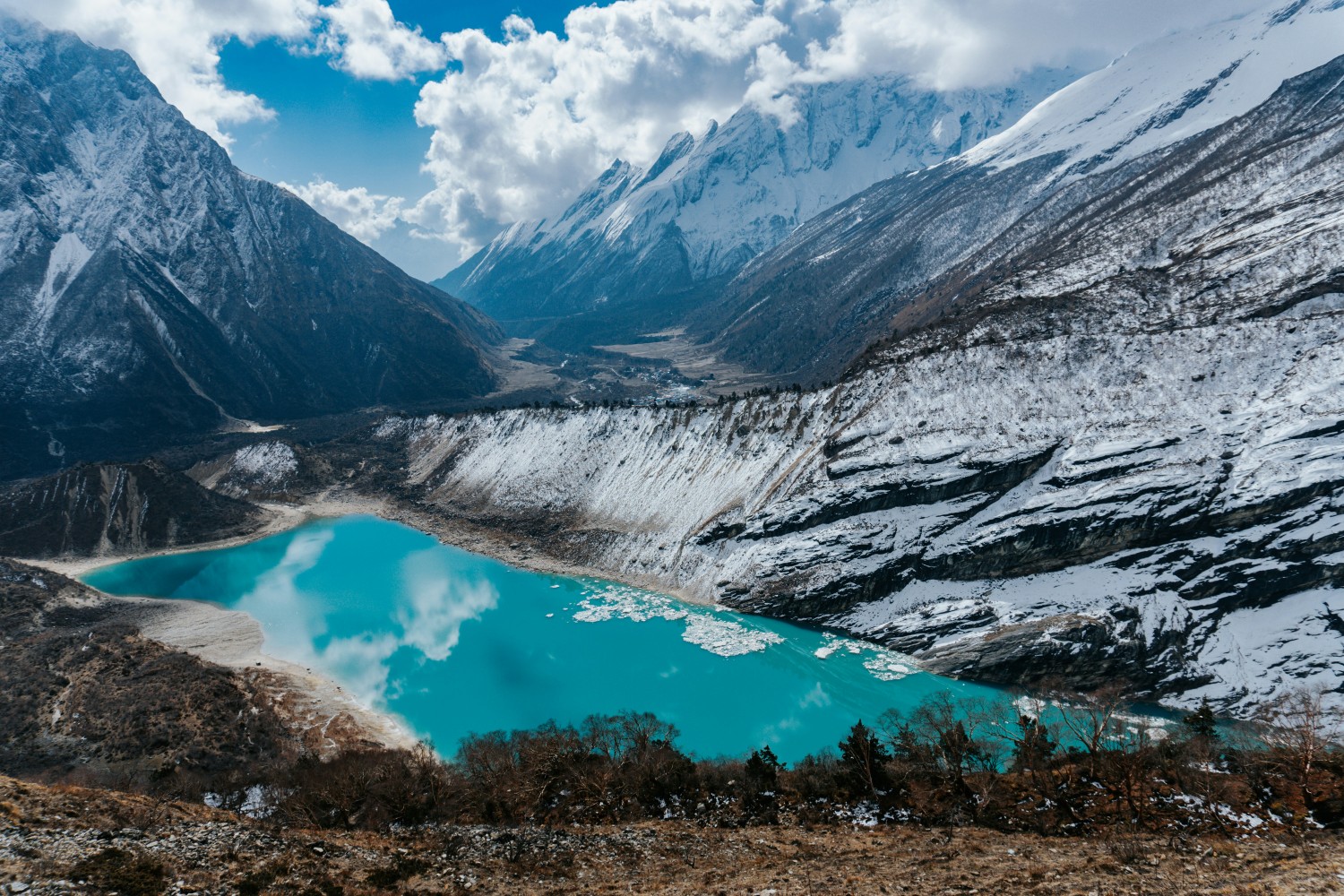
Discover Nepal: A Meaningful Journey for Israeli & Jewish Travelers
May 01, 2026 • Travel Blog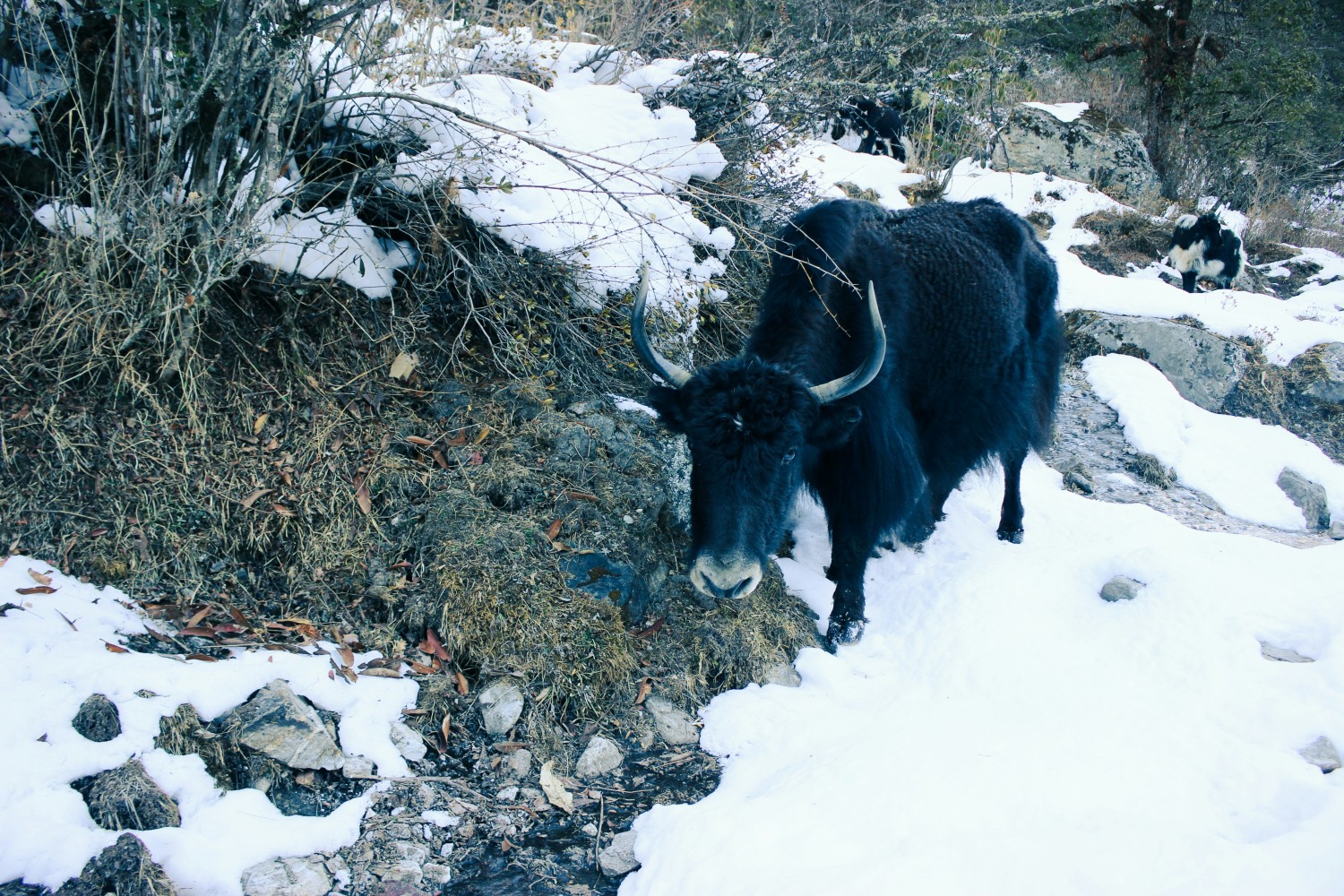
Langtang Valley Trek: Nepal’s Hidden Himalayan Gem
May 01, 2026 • Travel Blog
Nepal Trekking: Complete Guide to the Best Trekking Packages, Routes & Seasons (2026)
May 06, 2026 • Travel Blog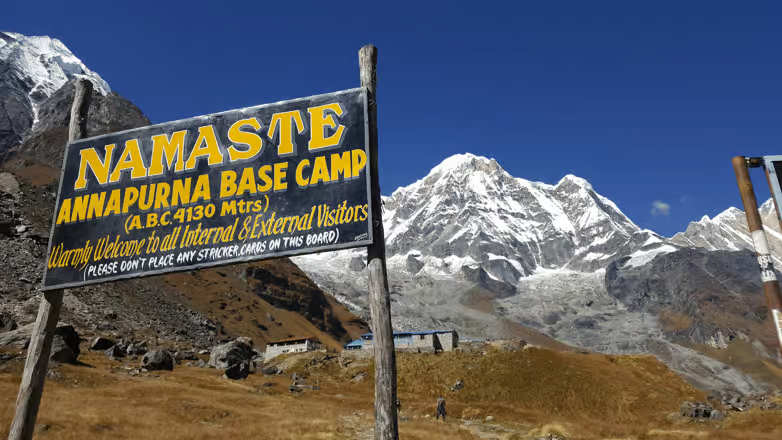
Annapurna Trekking Nepal: Complete Guide to Routes, Cost, Permits & Best Tours (2026)
May 06, 2026 • Travel Blog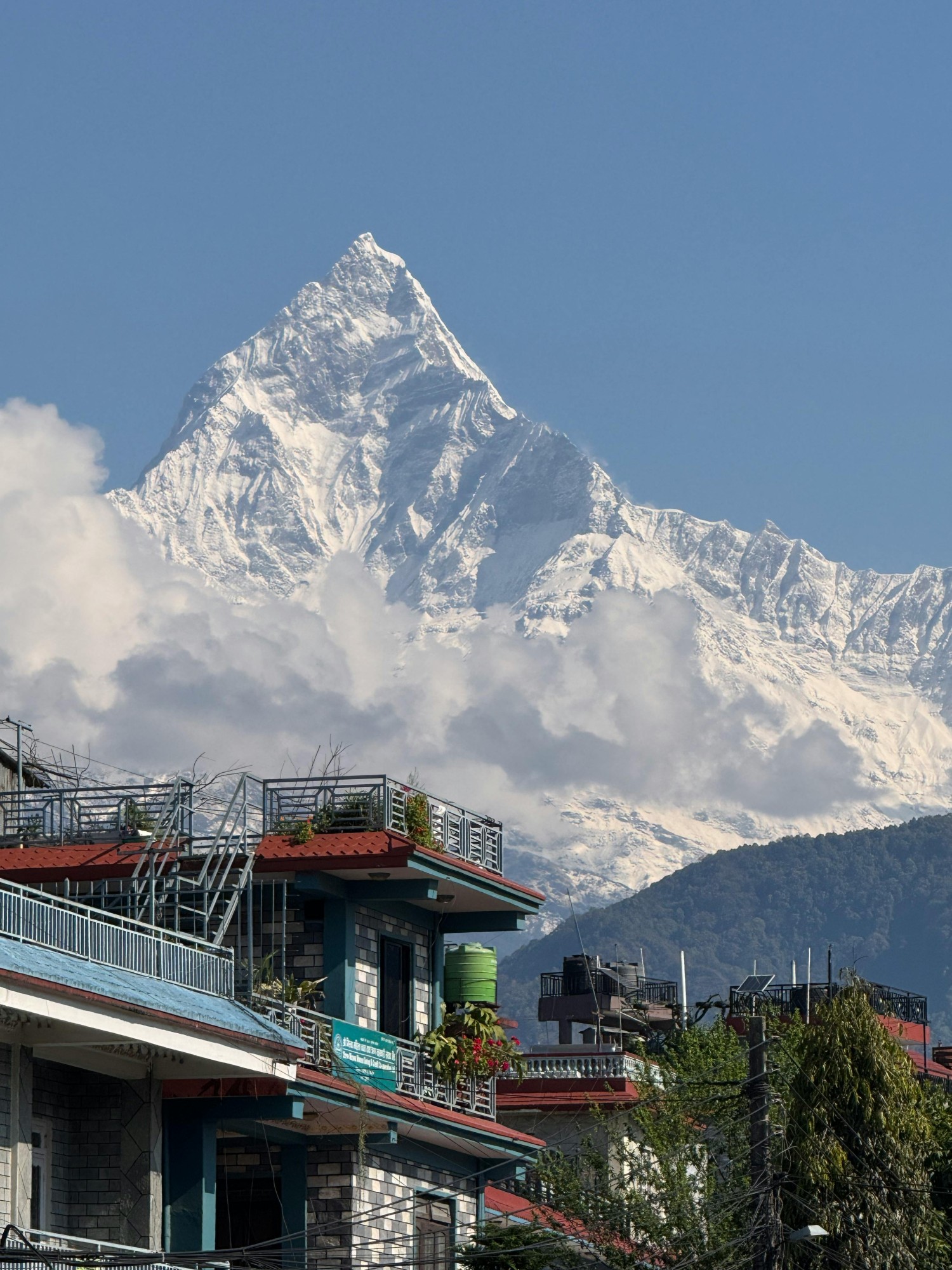
Nepal: The Ultimate Destination for Adventure, Nature, and Affordable Travel
May 07, 2026 • Travel Blog
Where is Nepal?
May 08, 2026 • Travel Blog
Best Time to Trek in Nepal – Season-by-Season Guide
May 12, 2026 • Travel Blog
Holiday Adventure in Nepal: The Ultimate Journey Through the Himalayas
May 12, 2026 • Travel Blog
Kathmandu to Pokhara: The Ultimate Scenic Journey Between Nepal’s Two Beautiful Cities
May 12, 2026 • Travel Blog
Top Things to Do in Chitwan National Park – Your Ultimate Adventure & Wildlife Guide
May 12, 2026 • Travel Blog
Leave a Comment